The Problem That Started Everything
Three years ago, the corner of Maple and Third looked like pretty much every other forgotten space in our neighborhood. Weeds pushing through cracked concrete, a chain-link fence that had seen better decades, and the kind of resigned neglect that makes you walk a little faster when you pass by. The lot had been empty since the old hardware store closed in 2019, and according to the planning commission minutes from that fall, the city had been fielding complaints about “visual blight” and “safety concerns” for months.
But here’s what those minutes didn’t capture: Mrs. Chen from the corner house had been calling about broken glass every week. The Martinez family couldn’t let their kids ride bikes on that block anymore. And Sarah, who runs the breakfast counter at Miller’s Cafe, mentioned that her morning regulars kept asking when someone was going to do something about “that eyesore.” The complaints weren’t just bureaucratic paperwork. They were neighbors watching their daily lives get a little bit worse, one broken window and dumped tire at a time.

Finding the Right People for the Right Reasons
The breakthrough came during a particularly long city council meeting in February 2022. I was there for the usual reason, taking notes on the budget discussion that would determine our library hours for the next year. But during public comment, three different people brought up the Maple and Third lot. Not in a coordinated way. Just three neighbors who had reached the same conclusion independently: something needed to happen.
After the meeting, I introduced them to each other in the parking lot. Maria Santos, who had been gardening in her backyard for fifteen years and knew everything about our clay soil conditions. James Wright, recently retired from project management at the phone company, who still got excited about Gantt charts and permit applications. And Lisa Park, who taught third grade and had that particular teacher superpower of making complicated things sound simple and getting people to actually show up when they said they would.
We went for coffee the next Saturday morning. Not to plan anything grand, just to figure out what we were actually dealing with. Maria brought a soil testing kit she had ordered online. James had printed out the property records and zoning maps. Lisa brought homemade muffins and a yellow legal pad, because teachers always bring yellow legal pads. By the time we finished our second cup of coffee, we had a list of eight phone calls to make and a meeting scheduled with the city’s community development coordinator for the following Wednesday.
Navigating the Actual Process
Here’s what nobody tells you about turning an idea into a real thing: most of the work happens in meetings that feel completely unrelated to your original goal. We spent six weeks learning about liability insurance, soil contamination testing, and something called a “temporary use permit” that turned out to be neither temporary nor simple. The city was helpful, but helpful in the way that large organizations are helpful when you ask them to do something that doesn’t fit neatly into their existing categories.
The soil testing came back clean, which was the first real victory. James figured out that we could apply for a community development grant that would cover the basic infrastructure, but only if we could demonstrate “sustained community engagement” and provide “evidence of long-term viability planning.” In other words, we needed to prove that people actually wanted this thing before anyone would help us build it.
So we organized a neighborhood walk-through on a Saturday morning in April. Lisa made flyers and put them on every door within three blocks. Maria mapped out what could actually grow in that space during different seasons. I brought copies of the site plans and budget estimates, because someone always asks about the details and it’s better to have answers than to promise you’ll get back to them later. Eighteen people showed up, including Mrs. Chen and two of Sarah’s breakfast regulars. By the end of the hour, we had twelve volunteers committed to the setup work and five families ready to take on permanent plots.
The Work Behind the Work
The actual construction happened over two weekends in June, but the real organizing had been going on for months. James created a shared spreadsheet that tracked everything from tool inventory to volunteer schedules to which neighbor had agreed to water the seedlings during the first crucial weeks. Maria had connected with the county extension office to plan workshops on composting and pest management. Lisa organized the kid-friendly activities that would happen during work sessions, because you can’t ask parents to volunteer for weekend projects without planning for their children.
The unglamorous truth is that community organizing is mostly about making lists and following up with people and remembering that Tom can only lift light things because of his back surgery, but Sarah’s teenage daughter is surprisingly good with power tools. It’s about knowing that the hardware store gives nonprofit discounts on Tuesdays, and that the coffee shop will donate day-old pastries if you ask nicely and pick them up before 7 AM.
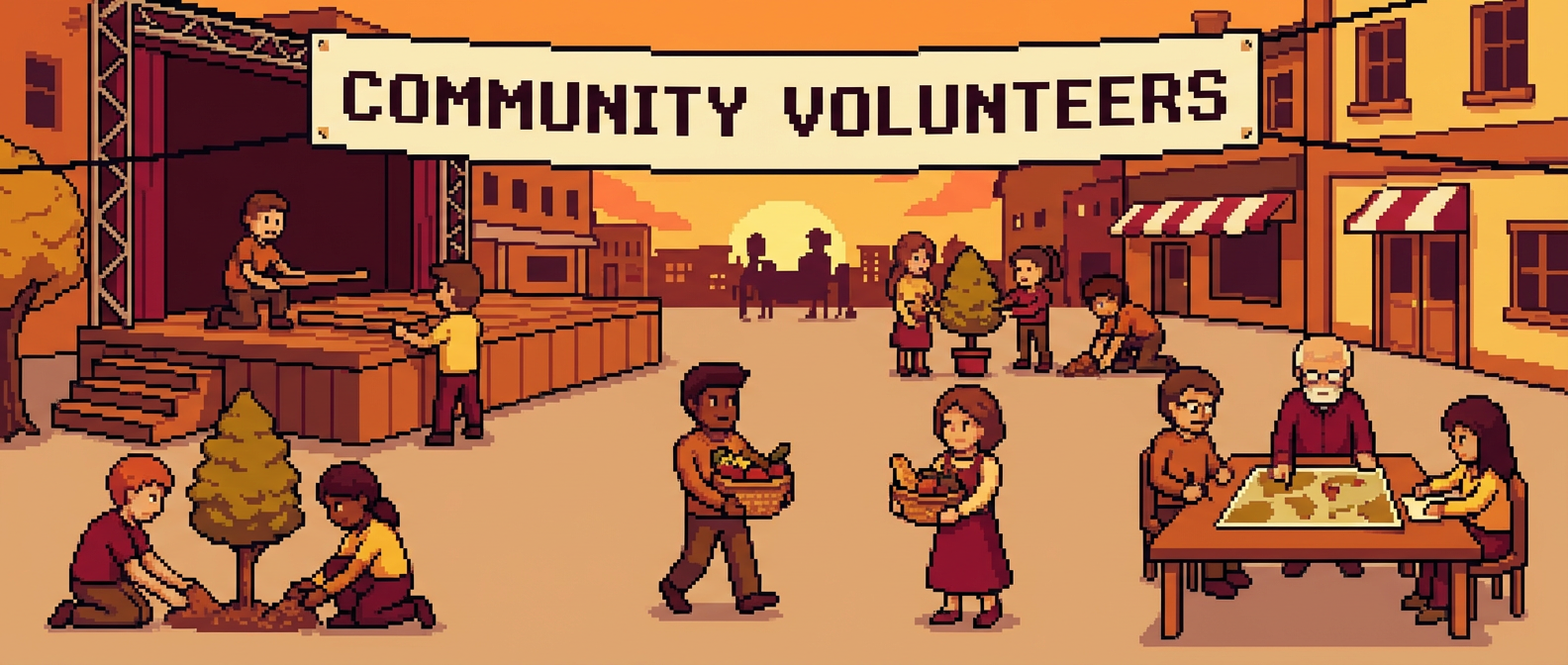
On the second Saturday, we had twenty-three people show up with work gloves and water bottles. The raised beds went in faster than anyone expected. Mrs. Chen brought her grandson, who turned out to have strong opinions about which vegetables should go where. By noon, we were planting tomatoes and herbs and flowers, and the thing that had been an idea in February was dirt under our fingernails and seedlings that would need watering on Tuesday.
What Actually Sticks
The community garden has been operating for two full growing seasons now. The tomatoes came in beautifully that first summer. The winter greens survived better than anyone expected. This spring, we added three more plots and a small tool shed that James designed and a group of high schoolers built as part of their community service requirements.
But the thing that surprises me most is how the work changed the way our neighborhood works. Not in some grand, transformative way. In small, practical ways that add up over time. Mrs. Chen knows Maria’s name now, and they trade gardening advice over the fence. The breakfast counter at Miller’s has a small display of vegetables from the garden on Saturday mornings. When someone has a question about city services or wants to know when the next council meeting is, they have people to ask who will actually know the answer.
The process taught me that community organizing isn’t really about having the right idea or being the most passionate person in the room. It’s about being willing to make phone calls and keep track of details and show up when you say you will. It’s about understanding that most people want to help with things that matter, but they need someone to figure out the logistics and make it easy to say yes.
If you’ve been thinking about starting something in your own neighborhood, the best place to begin is probably smaller than you imagine and more concrete than you expect. Find two other people who care about the same problem you do, figure out one specific thing you could actually accomplish in the next three months, and make a list of whom you need to talk to first. The complicated parts will reveal themselves as you go, but they’re usually less complicated than they seem from a distance.
