What the Numbers Actually Tell Us
When the Community Action Center closed its doors last spring, it took with it something that doesn’t show up in budget reports or grant applications. The center had facilitated 847 resource exchanges in 2023 alone. Not transactions, not charity handouts, but actual exchanges where neighbors traded skills, shared tools, and redistributed goods based on need rather than purchasing power.
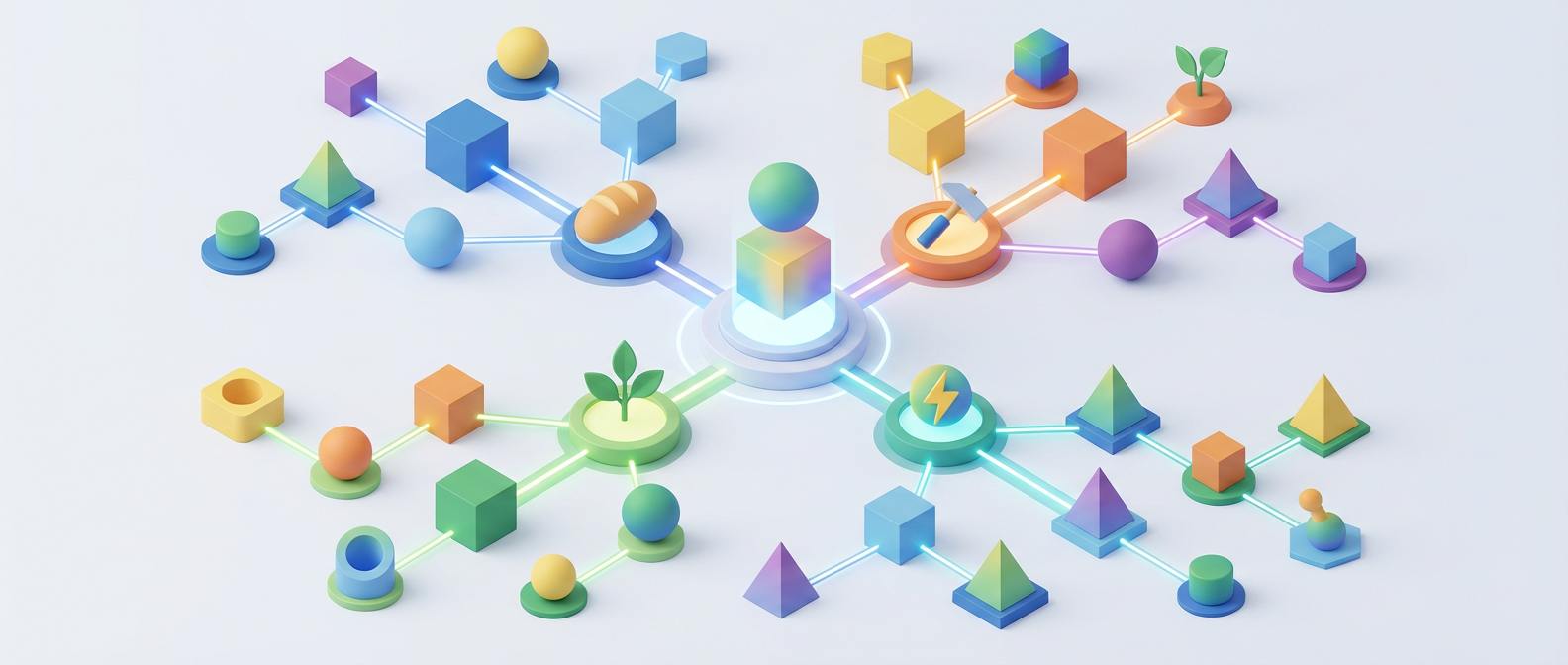
Those numbers matter because they represent a specific kind of infrastructure that we’ve been systematically dismantling without quite realizing it. The center didn’t just coordinate a food pantry or run a clothing swap. It maintained the social technology that let people know what their neighbors needed and what they had to offer. When Mrs. Chen needed help installing grab bars in her bathroom, the center’s bulletin board connected her with James, a retired contractor who needed someone to watch his granddaughter after school. No money changed hands, but real value got created on both sides.
This isn’t nostalgia talking. It’s infrastructure assessment. We’ve spent decades investing in systems that require individual purchasing power to access basic needs while letting the systems that create collective purchasing power fall apart. The result isn’t just economic waste. It’s watching the social fabric that makes communities resilient when formal systems fail slowly unravel.
The Mechanics of Mutual Aid
Real mutual aid networks operate on what economists call “gift economy principles,” but that phrase makes it sound way more abstract than it actually is. The Community Action Center kept a simple database. People could list what they needed and what they could offer. The magic happened in the matching process, which required actual human beings who understood the neighborhood’s rhythms and relationships.
Sarah ran the center’s resource desk for eight years. She knew that the single parents in the Riverside apartments needed child care during evening shifts. She also knew that the retired teachers in the senior housing complex were looking for meaningful ways to spend their time. These connections didn’t happen automatically through an app or algorithm. They required someone who understood that Mrs. Rodriguez preferred to communicate in Spanish, that the Johnsons had a car but struggled with grocery costs, and that the community garden had way too many tomatoes every August but needed serious help with fall cleanup.
The center’s tool library checked out everything from power drills to carpet cleaners to bread machines. In its final year, the library had 2,300 active borrowers sharing 800 tools. Calculate the individual cost of each household purchasing these items separately, and you’re looking at hundreds of thousands of dollars in collective savings. More importantly, you’re looking at hundreds of thousands of dollars worth of stuff that didn’t need to be manufactured, packaged, shipped, and ultimately thrown away.
What Filled the Vacuum
When the center closed, people didn’t stop needing help installing grab bars or watching grandchildren. They started paying for services they used to trade for, or they went without. The tool library’s closure meant a surge in hardware store rentals and Amazon purchases. The bulletin board’s demise pushed people toward Nextdoor and Facebook groups, platforms designed to capture attention rather than actually help neighbors share resources.
The shift matters because commercial platforms extract value from these interactions rather than keeping it in the community. When you hire a handyman through an app, the platform takes a percentage. When you rent tools from a store, the profit flows to shareholders. When you buy something new instead of borrowing it from a neighbor, you’re supporting distant supply chains rather than local resilience.
More subtly, commercial platforms change the nature of the interactions themselves. Mutual aid creates ongoing relationships based on reciprocity and care. Market transactions create temporary exchanges based on individual benefit. The difference isn’t philosophical, it’s practical. Ongoing relationships create the social infrastructure that lets communities respond collectively to crises, whether that’s a neighbor’s job loss or a citywide power outage.
Building Back the Connective Tissue
The good news? Mutual aid infrastructure doesn’t require massive funding or institutional approval. It requires consistent attention to the boring work of connecting people with complementary needs and resources. Three neighborhoods in our city have started informal resource-sharing networks in the past year, each taking a slightly different approach based on their specific circumstances.
The Maple Street group meets monthly at the library branch and maintains a shared spreadsheet of offers and requests. Nothing fancy, but it’s generated 150 exchanges in eight months. The Eastside network operates primarily through a private Facebook group with clear community agreements about what kinds of posts are appropriate. The downtown residents organized around a physical bulletin board in the lobby of the largest apartment complex, backed up by a simple email list.
What these efforts share is attention to the social dynamics that make resource sharing work. They’ve established norms around reciprocity that discourage both hoarding and freeloading. They’ve created systems for introducing newcomers that help people understand how to participate constructively. Most importantly, they’ve designated specific people to tend these systems consistently rather than assuming they’ll maintain themselves.
The Invitation to Infrastructure
The Community Action Center didn’t fail because mutual aid doesn’t work. It failed because we stopped funding the positions that maintained it and failed to recognize resource sharing as legitimate infrastructure worth protecting. But infrastructure is something communities can choose to build together, especially when we understand what we’re actually building and why it matters.
If you’re interested in exploring what mutual aid infrastructure might look like in your corner of the city, the Eastside network is hosting an informal gathering next Saturday at 10 AM at Riverside Park. Bring ideas, questions, and maybe a folding chair if you have one to spare. The goal isn’t to recreate exactly what we lost, but to build what we need now, together.
