The Thing We Actually Lost
There’s a particular kind of loss that doesn’t feel like loss at first. It feels normal. It feels like the way things are. But if you talk to someone who bought a house in your neighborhood twenty or thirty years ago, they’ll tell you something simple: they could afford it. Not with strain. Not with both people working two jobs. Just with a regular job and a regular savings account and a down payment that didn’t require winning the lottery.

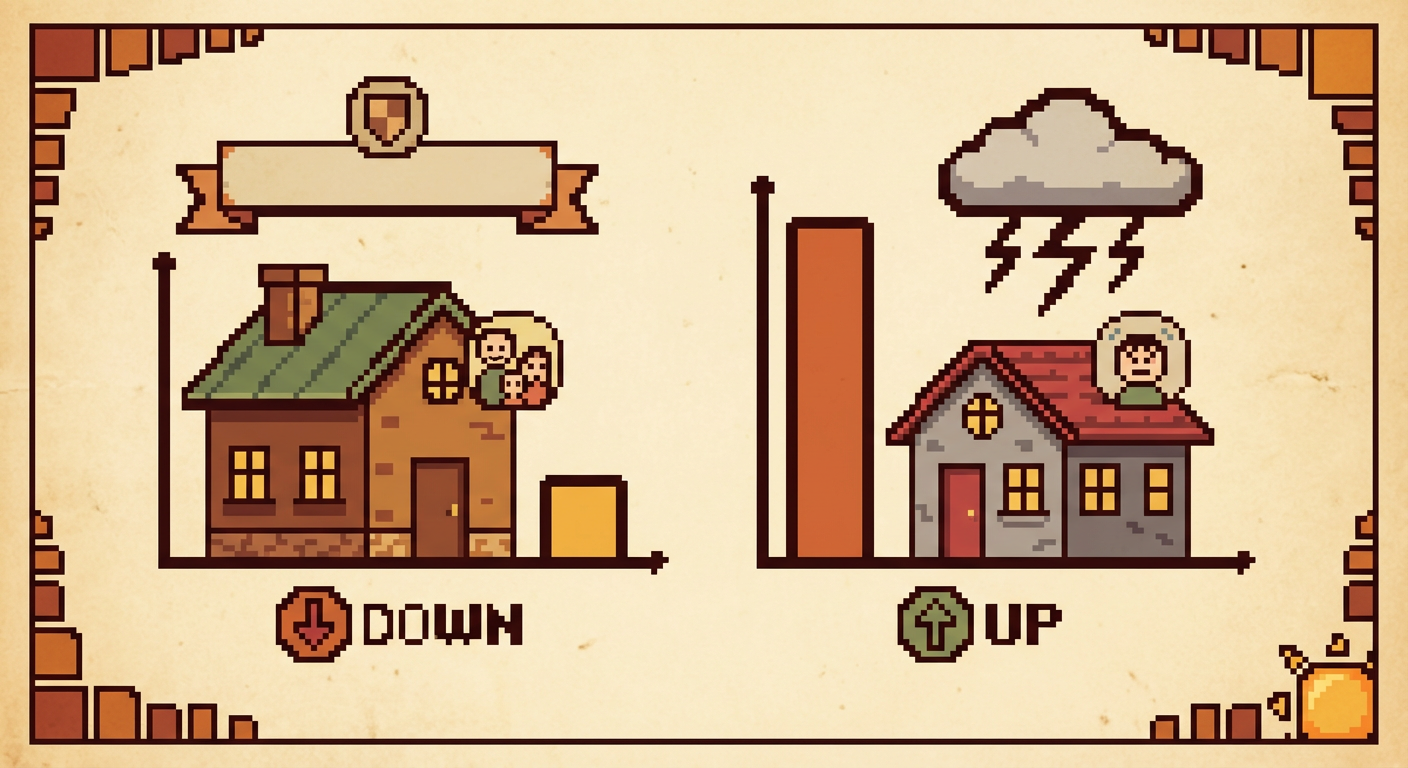
That’s not nostalgia talking. That’s a functional difference. Median home prices across American metros sit 42% higher than they were before the pandemic. That’s not a market fluctuation. That’s a systemic problem baked into how we think about housing. And somewhere around 2010 or 2012, cities started quietly realizing that market-rate development wasn’t going to solve this. Neither were subsidies alone. Neither were zoning tweaks. What they started finding, instead, was something older than the modern housing crisis itself: community land trusts.
What a CLT Actually Does (And Why This Matters Right Now)
A community land trust separates two things that we’ve glued together so firmly most people don’t realize they’re separate: the land and the building on top of it. The CLT owns the land forever, as a nonprofit. You own the house. You build equity in the house. You pay a mortgage to own the house. But the land? That stays in the trust, priced to stay affordable for the next person, and the person after that. It’s a simple mechanism that stops the game of musical chairs where housing prices get bid up until they disconnect entirely from what humans actually earn.
The numbers here aren’t speculative. During the interest rate shock of 2023 through 2025, when conventional mortgage holders were facing foreclosure at rates not seen in over a decade, CLT homeowners faced foreclosure at one-tenth that rate. That’s not an accident. That’s design working. A structure that actually protects people instead of just asking them to be more disciplined or work harder or save better.
Right now there are more than 300 active community land trusts in the United States. That’s more than 75 new ones since 2020. Together they’re stewarding more than 30,000 permanently affordable homes. Thirty thousand. These aren’t pilot programs anymore. These are operating systems that are actually working.
Where the Money Came From (And Where It Went)
In 2021, the Biden administration set aside $35 million specifically for community land trust development through the American Rescue Plan. That might sound like a drop in a very large bucket, and maybe it is, but here’s what happened with it: by the end of 2025, 78% of those funds had moved out of the “plan stage” and into actual projects. Into ground. Into homes.
Atlanta’s Westside Future Fund, developed in partnership with the city government itself, received a $50 million HUD grant and used it to add 400 permanently affordable homes to its portfolio in 2025 alone. Four hundred homes. One year. One CLT. The infrastructure exists to do this at scale if anyone actually wants to.
You can dig into the details yourself on the National Community Land Trust Network site, and I encourage you to do that. But the baseline is this: there is money available. There is funding happening. The mechanism works. What’s missing is the political will to talk about it in city council meetings and mayoral campaign platforms.
Why Your Mayor Isn’t Talking About This
Here’s the honest part. Community land trusts aren’t as easy to brag about as ribbon-cutting ceremonies at market-rate developments. They don’t generate the same tax revenue in year one. They don’t look like growth in the way that growth is traditionally measured and photographed. They’re also not what real estate developers donate to city council campaigns. They redistribute power toward residents and away from speculative landlords. That makes certain people uncomfortable.
But they work. The Lincoln Institute of Land Policy CLT Research has documented this repeatedly. Cities that invest in CLT infrastructure don’t regret it. Residents who get CLT mortgages don’t regret it. The only people who lose in this scenario are people whose entire business model depends on housing remaining scarce and expensive.
The reason your mayor isn’t talking about this is probably the reason a lot of important things don’t get discussed: because it requires saying “there is a problem we created through policy choices” and then doing the difficult work of changing those policies. It’s easier to talk about market forces. It’s easier to blame supply chains and interest rates and “just how housing is.” It’s harder to admit that the housing crisis is a choice. CLTs are evidence that it’s a reversible one.
What Comes Next (The Part That Involves You)
The good news is that you don’t need permission to start asking questions. You don’t need a policy background or a real estate license. You need to show up at one city council meeting. Read the minutes afterward if you missed something. Call your city planner’s office and ask one simple question: does our city have a community land trust, and if not, why not?
Start small. Find out what’s already happening. There might be a CLT already operating in your city that nobody knows about. There might be a planning process quietly underway. There might be developers or nonprofits waiting for community support to move forward. The National Community Land Trust Network has resources. Your city planning department has information. Neighbors have stories. Money exists. Models exist. What’s needed is the understanding that this problem is solvable, and that housing abundance isn’t a luxury — it’s infrastructure.
This isn’t about ideology. It’s about whether a place can actually house the people who make it work. Coffee shop workers and teachers and nurses and everyone else who built your neighborhood and can no longer afford to live in it. Bring this to your next neighborhood meeting. Ask your representative why this isn’t a priority. Then on Saturday, show up to plant those trees anyway. Both things matter. Community shows up in the details.
