Community solar in upstate New York is a subscription arrangement. Households and small businesses buy a share of electricity from a nearby solar array without putting panels on their own roofs. For Binghamton neighborhoods shaped by the Susquehanna and Chenango rivers, the question is not only whether a project pencils out. It is also where it gets built, how it interacts with floodplain rules, and whether the savings reach the households that already carry the heaviest energy burden. Adjacent concepts include virtual net metering, utility tariff zones, brownfield redevelopment, and the New York State Energy Research and Development Authority’s solar programs. This matters here because Broome County’s urban core has aging housing stock, frequent flood exposure along named tributaries such as Castle Creek, Pierce Creek, and Fuller Hollow Creek, and a land-use pattern that has historically placed lower-income neighborhoods closer to flood infrastructure and older grid assets.
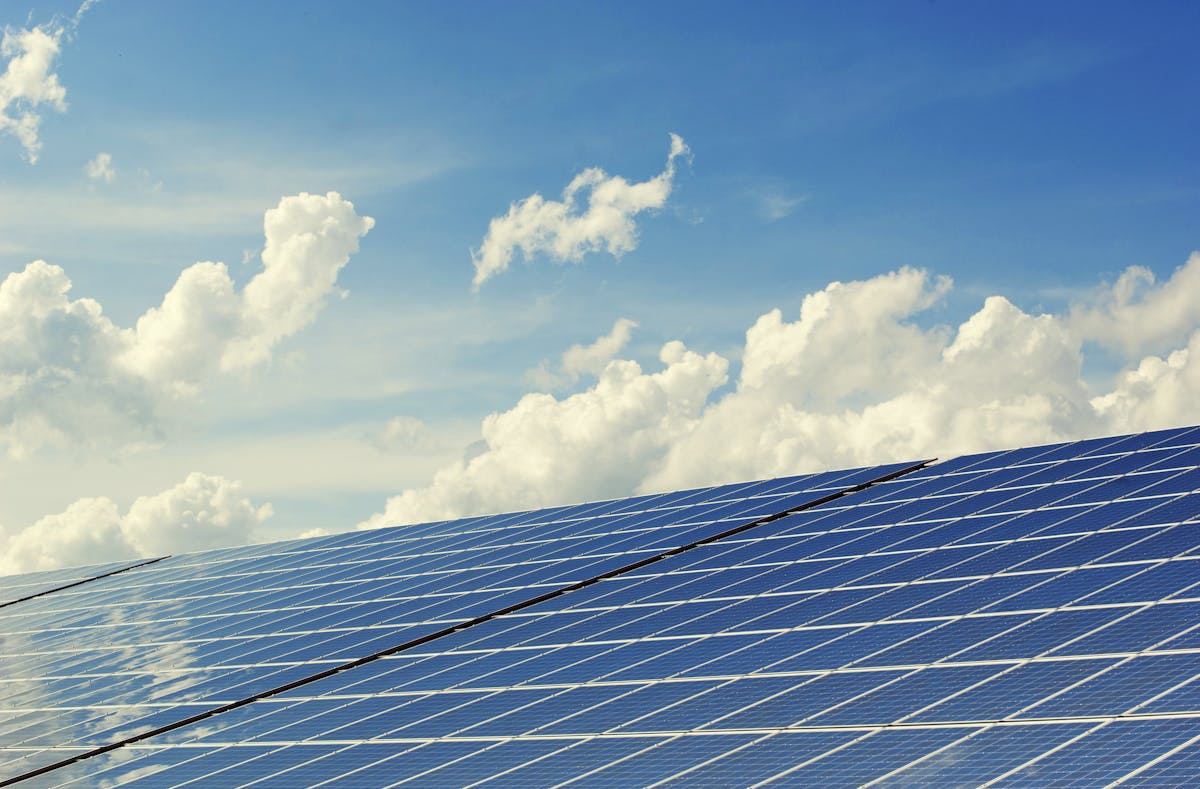
A community solar project can be a useful tool for neighborhood-scale climate adaptation, but only if the siting and subscription design are tied to local conditions. The following sections walk through the practical questions a neighborhood group, municipal board, or small developer would need to ask before moving from a promising idea to a filed interconnection request.
What Community Solar Actually Means in New York
New York’s community distributed generation program allows a solar project to serve multiple off-site subscribers within the same utility territory. Subscribers receive bill credits through virtual net metering, while the project owner sells the output under a long-term contract or subscription agreement. The New York State Public Service Commission sets the program rules, and NYSERDA administers incentives through the NY-Sun program.
For a Binghamton project, the relevant utility is almost always New York State Electric and Gas, which serves most of Broome County. A project in the Town of Dickinson, the City of Binghamton, or the Town of Union would need to confirm that the proposed site and the subscriber addresses fall within the same NYSEG load zone and that the local distribution circuit can accept the export without a costly upgrade.
Project Size and Siting Logic
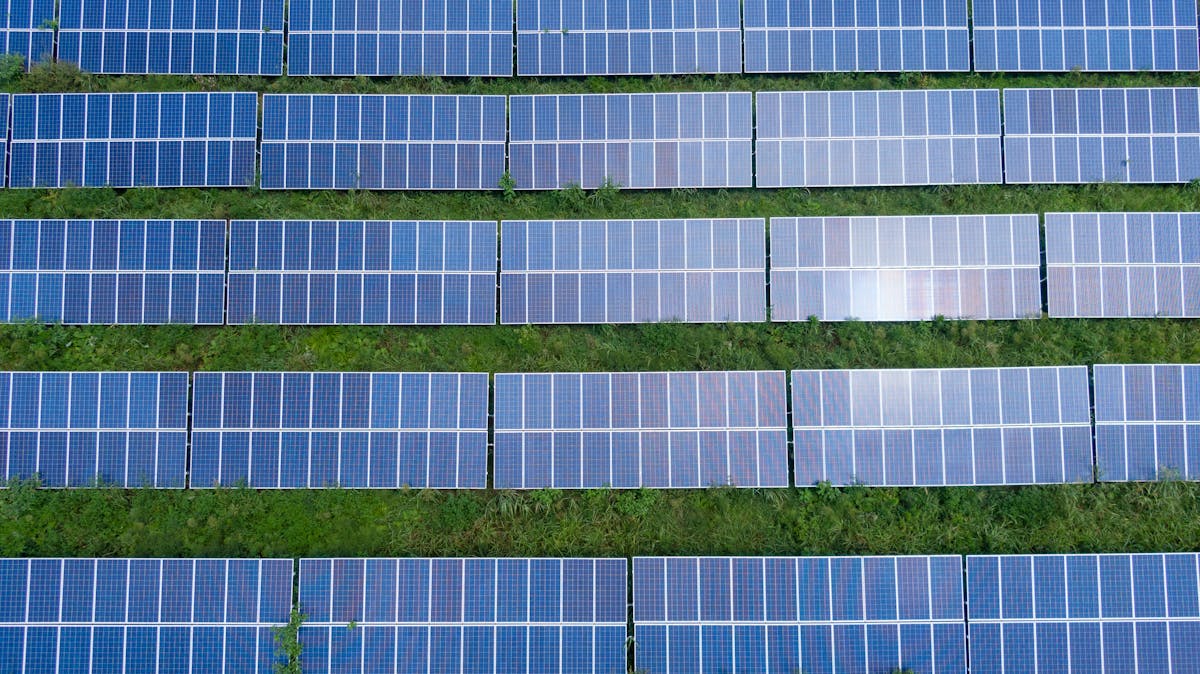
Most community solar arrays in upstate New York range from 2 to 5 megawatts alternating current, which requires roughly 8 to 20 acres of relatively flat, cleared land. That scale is large enough to support a viable subscription base but small enough to fit on former industrial parcels, closed landfills, or underused commercial lots. In Broome County, the most promising sites are often in the floodplain fringe rather than the floodway, which means the project must clear both local zoning and the Federal Emergency Management Agency’s floodplain development standards.
A site near Fuller Hollow Creek, for example, may look flat and available, but if it sits within the 100-year floodplain, the array design must allow floodwater to pass without increasing upstream or downstream flood elevations. That usually means elevated electrical equipment, anchored racking, and a hydrologic analysis submitted as part of the site plan. The same caution applies to parcels near Pierce Creek and Castle Creek, where flashy hydrology can produce rapid rises after intense rainfall.
Floodplain Rules and Land-Use Decisions
Binghamton’s flood history is not abstract. The September 2011 flood from Tropical Storm Lee pushed the Susquehanna River to record levels in some reaches, and the Chenango River contributed to widespread inundation. Since then, the city and surrounding towns have updated floodplain maps, buyout programs have removed some repetitive-loss properties, and new development has faced stricter elevation and compensatory storage requirements.
A community solar project is a land-use decision, not just an energy decision. If the array is proposed on a vacant parcel that currently absorbs stormwater, the project must account for the loss of that storage. The local floodplain administrator will typically require a no-rise certification or a conditional letter of map revision if fill is placed in the floodplain. In practice, that means the project engineer must model the pre- and post-development flood elevations and show that the array does not push water onto neighboring properties.
What a No-Rise Analysis Looks Like
A no-rise analysis uses hydraulic modeling, often with HEC-RAS, to compare base flood elevations before and after the proposed development. For a solar array, the analysis must account for the racking posts, access roads, perimeter fencing, and any gravel or compacted surfaces. Even small changes in roughness or obstruction can shift flood elevations by a few hundredths of a foot, which is enough to trigger a more detailed review.
The practical takeaway for a neighborhood group is to ask for the no-rise documentation early. If a developer cannot produce it, the project is not ready for a floodplain permit. The same question should be asked of any proposed flood infrastructure project, whether it is a new pump station, a levee repair, or a stormwater basin near the Chenango River.

Energy Burden and Subscription Design
Broome County’s older housing stock means many households spend a larger share of income on electricity and heating than the state average. Community solar can reduce that burden, but only if the subscription terms are clear and the savings are real. Typical community solar contracts offer a 5 to 10 percent discount on the subscriber’s utility supply charge, with no upfront fee and no early termination penalty. The credit appears on the NYSEG bill, and the subscriber pays the solar company separately for the discounted credits.
The risk is in the contract details. Some subscription agreements include annual escalators that erode the discount over time. Others require a credit check or a multi-year commitment that may not fit renters or households with unstable income. A neighborhood-scale project should be evaluated on the net present value of the savings, not on the marketing language.
Renters and Multifamily Buildings
Community solar is often framed as a solution for renters who cannot install rooftop panels. That is true in principle, but the subscription process still requires a utility account in the subscriber’s name. In multifamily buildings where the landlord pays the master meter, the tenants may not be able to subscribe directly. A project that wants to serve a specific neighborhood should map the metering arrangements first and identify which households can actually receive bill credits.
For Binghamton’s older apartment buildings, many of which sit near the Chenango River or along the commercial corridors that follow the floodplain, the more durable approach may be a community solar project paired with a building efficiency program. The solar credits reduce the supply charge, while insulation and air sealing reduce the total load. Together, they address both the price and the volume of energy, which is the more complete measure of energy burden.
Permitting and Interconnection Timeline
A realistic timeline for a community solar project in upstate New York is 18 to 36 months from site control to commercial operation. The critical path usually runs through the interconnection queue, not the local planning board. NYSEG’s interconnection process requires a preliminary application, a system impact study if the project exceeds certain thresholds, and a final interconnection agreement. A project that triggers a distribution upgrade can add a year or more and can change the economics enough to kill the deal.
The local permitting path is shorter but not trivial. A project in the City of Binghamton needs site plan approval, a floodplain development permit if applicable, and possibly a special use permit depending on the zoning district. The town-level process in Dickinson or Union is similar, with the added layer of county planning review for projects near municipal boundaries.
Questions to Ask a Developer
A neighborhood group or municipal board should ask a developer for the following before endorsing a project:
- The proposed site’s flood zone designation and the status of any no-rise or conditional letter of map revision.
- The interconnection queue position and any known distribution system constraints.
- The subscription discount structure, including any escalators, fees, or credit requirements.
- The project’s decommissioning plan, including who removes the panels and restores the site at the end of the useful life.
- The expected property tax payments or payment-in-lieu-of-taxes agreement, and how those revenues flow to the local taxing jurisdictions.
What a Binghamton Project Could Look Like
Imagine a 3-megawatt array on a former industrial parcel in the Town of Union, set back from the Susquehanna River but within the 500-year floodplain. The racking is elevated to allow floodwater to pass beneath the panels. The inverters and transformer sit on raised platforms above the base flood elevation. The project subscribes 400 households, with a priority window for residents of the adjacent census tract, where the median income is below the county average and the housing stock includes a high share of pre-1940 structures.
The project would not solve the neighborhood’s flood risk, but it would reduce the energy burden for households that are also paying for flood insurance, sump pumps, and repeated basement cleanouts. That is the quiet logic of pairing solar with floodplain awareness: the same households that face the highest climate exposure often face the highest energy costs, and a well-sited project can address one without worsening the other.
Pairing Solar with Floodplain Buyouts
One underused opportunity in Broome County is the pairing of community solar with floodplain buyout parcels. After a buyout, the land is typically deed-restricted to open space, which rules out most development. But a solar array can sometimes be compatible with open space restrictions if the local government and the funding agency agree. The array would generate revenue for the municipality while keeping the land out of residential use, which is the point of the buyout in the first place.
This is not a simple path. The Federal Emergency Management Agency and the New York State Division of Homeland Security and Emergency Services both have rules about what can happen on buyout land. A solar project would need to show that the array does not interfere with flood storage, does not create a public safety hazard, and does not undermine the original hazard mitigation purpose. But for a city like Binghamton, where buyout parcels are scattered across the floodplain, the idea deserves a serious feasibility study.
Cost Estimates and Financial Structure
A 3-megawatt community solar project in upstate New York typically costs between $3.5 million and $5 million to build, depending on site conditions, interconnection costs, and equipment choices. The project is usually financed through a combination of tax equity, debt, and NY-Sun incentives. The tax equity investor monetizes the federal investment tax credit, while the developer owns the project and manages the subscriber base.
For a municipal or nonprofit sponsor, the financial structure is different. A municipality can use a power purchase agreement to buy the output from a privately owned array, or it can own the array directly and use the bill credits to offset municipal accounts. The direct ownership route requires more upfront capital but keeps the long-term revenue in local hands.
What the Numbers Mean for Subscribers
A typical subscriber in NYSEG territory might use 600 kilowatt-hours per month. At a supply rate of roughly 8 cents per kilowatt-hour, the supply charge is about $48 per month. A 10 percent community solar discount would save about $4.80 per month, or $57.60 per year. That is modest, but it is real, and it compounds if the subscriber also reduces usage through efficiency measures.
The more important number is the total energy burden. If a household spends 8 percent of income on electricity and heating, a $5 monthly solar credit is a small but meaningful reduction. For a household on a fixed income, that $5 may be the difference between paying the full bill and falling behind. The value of community solar is not in the marketing promise of free energy; it is in the steady, predictable reduction of a recurring cost.
Local Policy Levers
Binghamton and the surrounding towns have several policy levers that can shape where community solar gets built and who benefits. The first is zoning. A municipality can designate preferred solar areas on brownfields, closed landfills, and other disturbed sites, while discouraging arrays on prime farmland or in the floodway. The second is the property tax treatment. A payment-in-lieu-of-taxes agreement can be structured to direct a share of the revenue to the school district and the fire district, which builds local support.
The third lever is the municipal aggregation program. If the city or town runs a community choice aggregation program, it can negotiate a default electricity supply for residents and small businesses. A community solar project can be layered on top of that aggregation, with the municipality steering subscribers toward a project that meets local siting and labor standards.
The Role of the Climate Smart Communities Program
Broome County and several of its municipalities participate in the New York State Climate Smart Communities program. That program provides points for actions such as completing a greenhouse gas inventory, adopting a solar siting law, and promoting community solar subscriptions. The points can lead to grant funding for additional climate work. A neighborhood group that wants to advance a community solar project can use the Climate Smart Communities framework to build a record of local action and to access technical assistance.
The program is not a shortcut, but it is a structure. It forces the conversation to be specific: what is the project, where is it sited, who subscribes, and how does it reduce emissions without increasing flood risk. Those are the right questions for a watershed-conscious community.
Frequently Asked Questions
Can a community solar project be built in a floodplain?
Yes, in many cases, but only if the design meets local floodplain development standards and the project receives the required permits. The array must be elevated or anchored to allow floodwater to pass, and the developer must show that the project does not increase flood elevations on neighboring properties. A no-rise analysis or a conditional letter of map revision is usually required.
How much can a Binghamton household save with community solar?
Most community solar subscriptions offer a 5 to 10 percent discount on the utility supply charge. For a household using 600 kilowatt-hours per month, that is roughly $3 to $5 per month, or $36 to $60 per year. The savings are modest but predictable, and they can be combined with efficiency measures to reduce the total energy burden.
Do renters qualify for community solar?
Renters can subscribe if they have their own utility account and the subscription is available in their utility territory. In buildings where the landlord pays a master meter, tenants may not be able to subscribe directly. A neighborhood project should map the metering arrangements before promising savings to renters.
What is the biggest delay risk for a community solar project?
The interconnection queue is usually the biggest delay risk. A project that triggers a distribution system upgrade can wait a year or more for the utility study and the final interconnection agreement. Local permitting is also a factor, but the utility process is often the critical path.
Next Steps for Binghamton
The next step for a neighborhood group or municipal board is not to endorse a specific project, but to build a siting and subscription framework that reflects local conditions. That framework should include a floodplain screening checklist, a subscriber eligibility map, a contract review standard, and a preference for sites on disturbed land rather than open space. The framework can then be used to evaluate any developer that comes to the table.
This article is the first in a series on distributed energy and floodplain land use in Broome County. The next piece will examine how municipal aggregation and community solar interact, with a close look at the NYSEG tariff and the role of the Public Service Commission. A follow-up will map the buyout parcels along the Susquehanna and Chenango rivers and assess which ones could support a solar array without compromising flood storage.
The work is slow, and the savings are modest. But in a watershed where the rivers set the terms, a community solar project that respects the floodplain is one small way to reduce the energy burden without adding to the risk. That is the kind of adaptation worth building.
