Start Where People Are, Not Where You Think They Should Be
The most effective organizing campaigns I’ve seen began with someone knocking on doors and asking a simple question: “What keeps you up at night?” Not “Do you care about affordable housing?” or “Are you concerned about climate change?” Just that one open-ended question that lets people tell you what matters most to them right now.
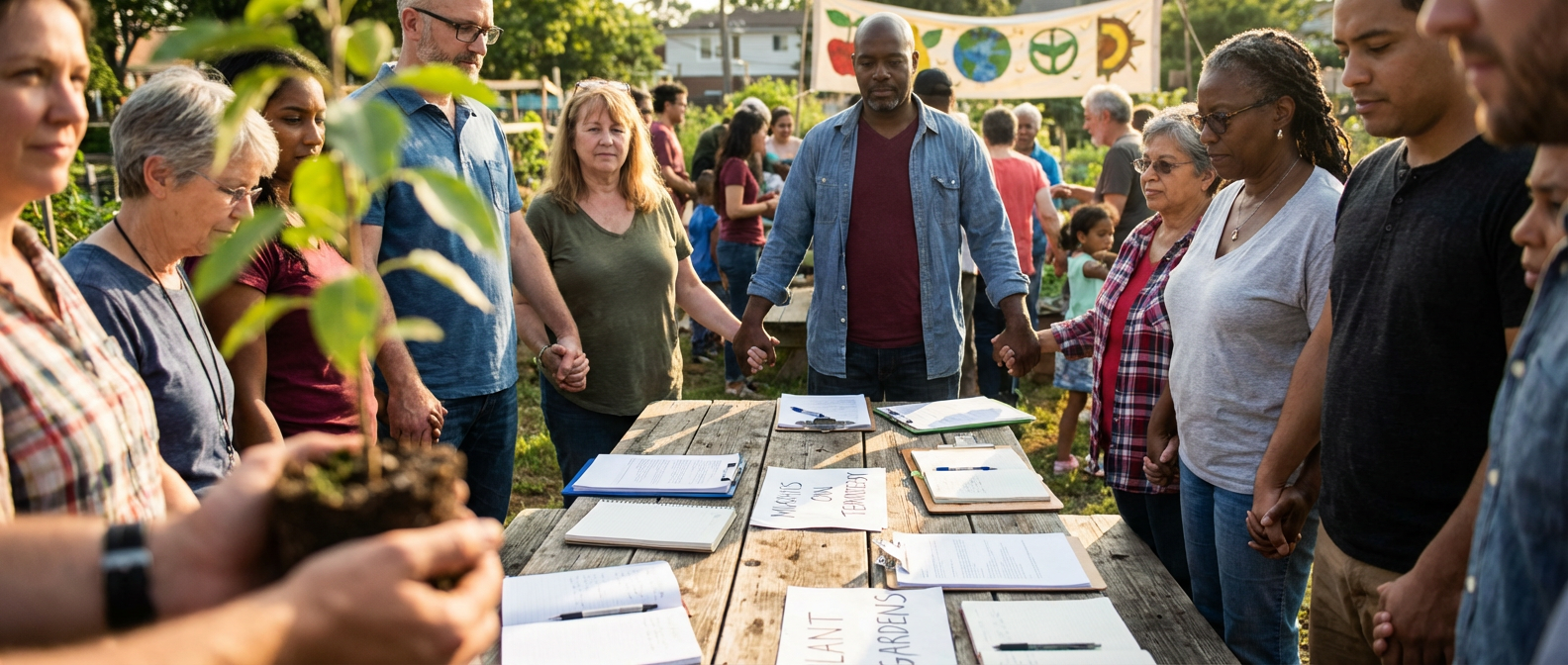
This approach requires real patience and accepting that your assumptions about community priorities might be completely wrong. When our neighborhood group started organizing around pedestrian safety, we thought everyone would be fired up about the dangerous intersection by the elementary school. Wrong. Most parents were more worried about the lack of after-school programs that meant kids were walking home alone in the first place. That insight completely changed our strategy and made our eventual campaign much stronger.
The resource gap here is real. Door-to-door conversations eat up enormous amounts of time, and many of us are juggling work, family, and other commitments. Start small. Pick one block, or even just the houses on your side of the street. The goal isn’t comprehensive data collection, it’s building relationships and understanding what people actually worry about in your community.

Map Your Assets Before You Map Your Problems
Every community has more resources than it realizes, but we’re trained to focus on what’s missing instead of what’s already there. Before launching any campaign, spend time figuring out the existing networks, skills, and infrastructure you can build on. This includes obvious assets like community centers and established nonprofits, but also the informal networks that really make neighborhoods work.
The woman who organizes the annual block party probably has contact information for half the street and killer event planning skills. The retired teacher who volunteers at the food bank understands how local government funding works. The teenager who started a mutual aid network during the pandemic knows how to get people moving quickly through social media. These aren’t just potential volunteers. They’re already organizers with their own spheres of influence and expertise.
Document these connections systematically. Create a simple spreadsheet or use a tool like Airtable to track names and contact information, but also skills, networks, and interests. This becomes your organizing infrastructure, and it’s far more valuable than any petition or social media following. When you need someone to research zoning regulations or design a flyer or coordinate childcare for a meeting, you’ll know exactly who to call.
Master the Art of the Small Ask
The biggest mistake new organizers make is asking for too much too soon. You might be ready to chain yourself to a bulldozer, but the person you just met at the farmer’s market probably isn’t. Good organizing requires a careful ladder of engagement that lets people build confidence and commitment slowly.
Start with asks that take five minutes or less. Sign a petition, share a social media post, attend a community meeting that’s already happening anyway. The goal isn’t just to accomplish those specific tasks, it’s to create a pattern of saying yes and following through. People who complete small commitments are much more likely to take on bigger ones later.
This principle applies to institutional targets too. Don’t demand that the city council completely overhaul the housing policy in your first public comment. Ask for a specific study, a public hearing, or a meeting with staff. These smaller victories build momentum and credibility while teaching you how the system actually works. You’ll need that knowledge when you’re ready for bigger battles.
Keep track of who responds to what kinds of asks. Some people will never speak at a public meeting but will happily make phone calls. Others love research but hate crowds. Building an effective organization means matching tasks to people’s comfort zones while gently pushing everyone to stretch just a little bit outside them.
Turn Meetings Into Movement Building
Most community meetings are terrible, which is why most people avoid them. They’re too long, dominated by a few voices, and end without clear next steps. But meetings are still necessary for organizing work, so learning to run good ones is a skill that will set your group apart from every other well-intentioned effort that died after a few poorly planned gatherings.
Start and end on time, every single time. This shows respect for people’s schedules and builds trust that your organization can handle bigger challenges. Create a clear agenda with specific time limits for each item, and stick to it. If someone raises an important issue that’s not on the agenda, acknowledge it and suggest a specific time to address it rather than letting it derail the current discussion.
Build in multiple ways for people to participate. Not everyone is comfortable speaking in large groups, so use small group discussions, written input, and other formats that give quieter voices a chance to contribute. Always end meetings with concrete next steps and clear assignments. People should leave knowing exactly what they’re going to do before the next gathering and when they’ll report back on their progress.
The most important meeting skill is learning to guide rather than dominate. Your job as an organizer is to help other people develop their own leadership skills, not to be the star of every gathering. This means asking good questions, summarizing what you’ve heard, and creating space for others to solve problems rather than jumping in with your own solutions.
Building for the Long Haul
Sustainable organizing requires thinking beyond individual campaigns toward building lasting power and infrastructure. This means celebrating small victories while keeping your eyes on bigger systemic changes. It means developing new leaders continuously so your organization doesn’t collapse if key people move away or burn out. Most importantly, it means staying connected to the daily concerns that brought people into the work in the first place.
The hardest part of long-term organizing is maintaining momentum between campaigns. People join movements during crises, but they stay involved when they feel connected to something larger than any single issue. Create opportunities for social connection alongside the political work. Organize volunteer days that actually improve the community while building relationships. Host skill-sharing workshops where people can teach each other practical abilities. Plan celebrations that acknowledge both individual contributions and collective progress.
Don’t try to do everything yourself or even within your own organization. The most effective grassroots groups understand that their job is often to identify problems and pressure for solutions rather than implementing every program themselves. Build relationships with other organizations, elected officials who share your values, and even sympathetic staff within the systems you’re trying to change. These connections become crucial when you need allies for bigger fights.
Real organizing is messy, slow, and full of setbacks that teach you more than the victories do. But it’s also the most reliable way to create lasting change in communities that traditional institutions have ignored or failed. The work starts with one conversation, one relationship, one small victory that shows people their voices matter and change is possible. If any of this resonates with your own experiences or what you’re trying to do, I’d love to hear about the organizing happening in your community or the challenges you’re wrestling with in your own neighborhood work.
