When I first started poking around the idea of solar for our town, I figured it would be easy—find a sunny field, get a few neighbors on board, done. I was wrong. Building a community solar project in upstate New York is a strange mix of engineering, grassroots organizing, and wrestling with state paperwork. But the path is more straightforward than it used to be, and the payoff—lower electric bills, local jobs, and a real stake in clean energy—is something towns, villages, and rural co-ops can grab hold of.
This guide comes from my own boots-on-the-ground experience working with local officials, farmers, and regular folks in the Southern Tier. It’s not a shiny brochure. It’s a real-world walk through the steps, the forms, and the people you’ll need to make a shared solar array happen.
What Exactly Is a Community Solar Project?
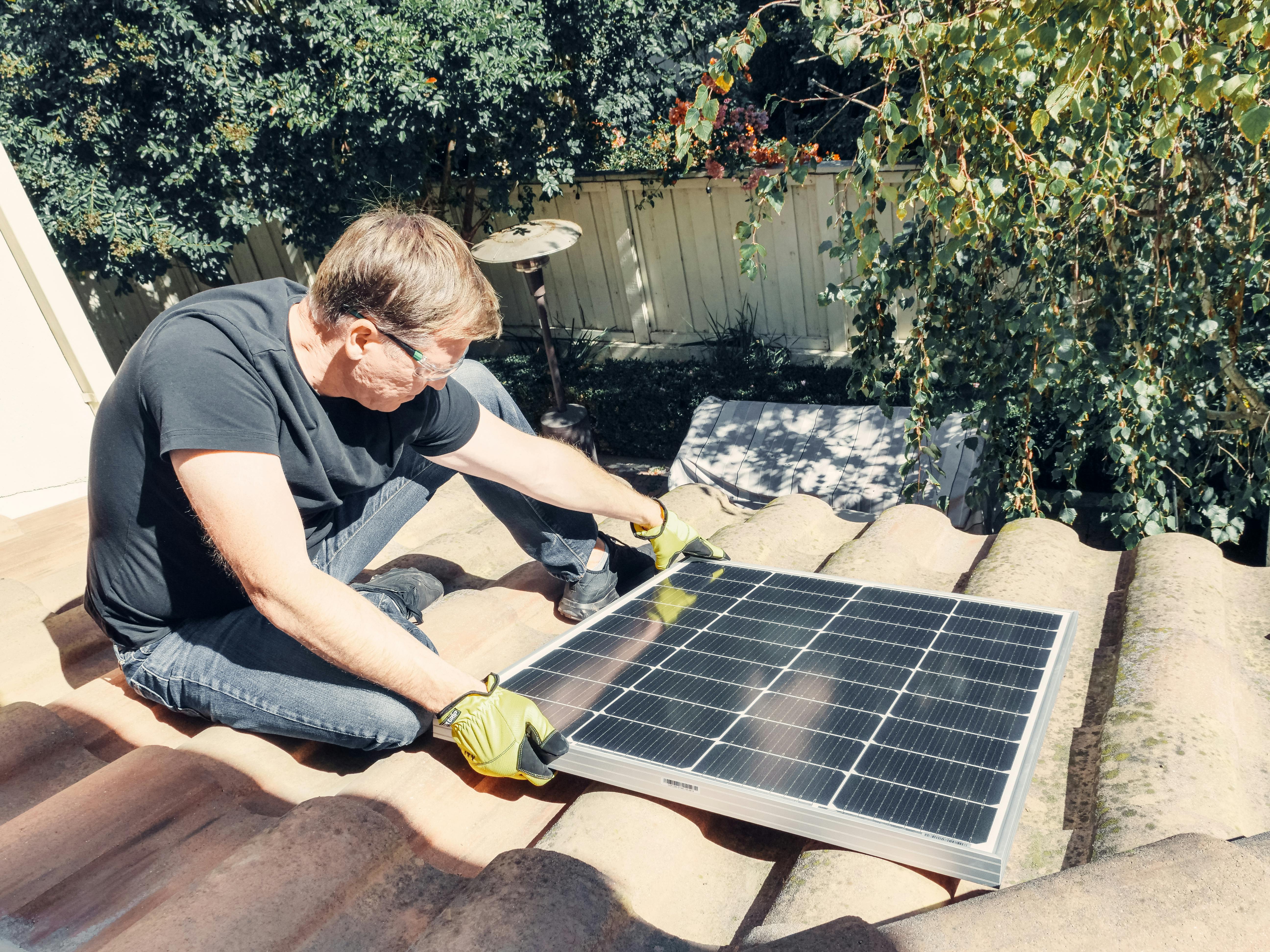
Community solar lets a bunch of households, businesses, or municipal accounts share the output of one big solar installation. Instead of bolting panels onto your own roof—which might be too shady, rented, or just plain wrong for solar—you subscribe to a slice of a larger, off-site array. Every month, you get credits on your electric bill for the energy your slice produces. In upstate New York, this model has caught fire because it opens solar savings to renters, low-income families, and anyone with a roof that faces the wrong way or sits under a giant maple.
The array itself is usually ground-mounted on a few acres. Subscribers sign contracts with the project developer or a third-party manager. The utility—think NYSEG or National Grid—handles the billing credits through net metering or, more often now, the Value of Distributed Energy Resources (VDER) tariff. The bottom line: people save money, the community gets a little more resilient, and the region moves closer to its clean energy targets.
Why Upstate New York Is Ready for Local Solar
Our corner of the world has a particular set of advantages. We’ve got open land, decent sun even through the gray winters, and a population that likes the idea of self-reliance. State policy has our back, too. The Climate Leadership and Community Protection Act requires 70% renewable electricity by 2030. NY-Sun, the state’s solar push, offers incentives that make community solar pencil out. And programs like Solar for All steer benefits to households that need them most.
But there’s more than policy at play. In towns from Binghamton to Ithaca, folks want energy solutions they can point to and walk past—not some distant wind farm or abstract grid upgrade. A community solar project on a reclaimed brownfield or a farmer’s scraggly pasture turns into a local landmark. It says: we built this, together.
Step 1: Gauge Interest and Form a Core Team
Don’t start by looking at land or calling installers. Start by finding your people. Gather a small crew of committed residents—maybe from a neighborhood group, a church, or the local environmental club. Hold a no-pressure meeting at the library or a community center. Bring a simple slideshow: what community solar is, how the savings work, and what a rough timeline looks like.
From that meeting, pull together three to five folks willing to be the steering committee. You’ll want different strengths: someone who gets local politics, someone with a head for numbers or legal stuff, and someone who can talk to the wider public without making their eyes glaze over. This little group will carry the project for the first six to twelve months.
Then survey the wider community. A quick online form or paper flyer can ask: Would you subscribe to a local solar project if it saved you 5–10% on your electric bill? Do you own or rent? What worries you? Use the answers to shape how you talk about the project and to show possible partners that real demand is out there.
Step 2: Understand the Utility and Regulatory Landscape
Up here, most folks get their power from NYSEG, National Grid, or RG&E. Each utility has its own interconnection process and community solar billing quirks. Reach out to the utility’s community solar point person early. Ask about hosting capacity maps—they show where the grid can handle new generation without expensive upgrades.
You’ll also need to wrap your head around the state’s VDER tariff. Under VDER, subscribers get credits based on the value of the electricity their share produces, not simply the retail rate. The credits include pieces for energy, capacity, environmental value, and where the project sits on the grid. It sounds like alphabet soup, but a solid developer partner will model the dollars and cents for you.
And don’t skip local zoning. Many upstate towns still have no specific solar ordinance. Talk to your planning board early. They might need to adopt a solar law or tweak existing codes. Be ready to address worries about glare, setbacks, screening, and what happens when the panels come down decades later. A well-thought-out project on the right site usually brings people around.
Step 3: Find the Right Site
Site choice can make you or break you. Look for parcels that are flat or gently slope south, free of wetlands and heavy tree cover, and close to three-phase power lines. Brownfields, closed landfills, and old gravel pits are fantastic candidates—they rarely have competing uses and can snag extra incentives.
In our region, farmland is everywhere but touchy. If you’re eyeing agricultural land, stick to marginal acres or think about dual-use agrivoltaics, where sheep graze or shade-tolerant crops grow under raised panels. Talk straight with the local farming community. Some farmers welcome the steady lease check; others worry about losing good soil. An honest chat can lead to clever compromises.
Lock down site control with an option to lease or buy. That buys you time for due diligence—environmental assessments, geotechnical studies, a full interconnection review—without betting the farm upfront.
Step 4: Choose a Developer or Go It Alone
Most community-led groups end up partnering with an experienced solar developer. The developer handles engineering, permits, financing, construction, and subscriber management. Your job shifts to community bridge-builder and subscriber recruiter, which is exactly where local trust pays off.
When you’re checking out developers, ask for references from other community projects. Look for a track record in New York State, because our regulatory maze is its own beast. A decent developer will offer a fair subscriber discount—usually 5–10% off the standard utility rate—and will be upfront about how the project makes its money.
Some communities go the self-build route, forming an LLC or cooperative. This gives you more control and maybe higher returns, but it demands serious expertise and capital. If you take this path, dig into NY-Sun incentives, federal Investment Tax Credits, and USDA Rural Energy for America Program (REAP) grants. You’ll also need a sharp legal and financial team in your corner.
Step 5: Navigate Permitting and Interconnection
Permitting in upstate New York is generally manageable for projects under 5 megawatts, which covers most community solar arrays. You’ll need site plan approval from the local planning board, a building permit, and maybe a special use permit if the zoning code doesn’t spell out solar. Start talking to the planning department early. Show up with a clean, professional site plan and be ready to discuss drainage, how it looks from the road, and the hum from inverters.
Interconnection—getting your array hooked to the grid—can eat up the most time. File your interconnection application as soon as you have site control and a rough system design. The utility will study the impact on the local grid and might require upgrades. Budget for those costs and pad your schedule.
Environmental review is usually light for solar on already-disturbed land. If your site touches wetlands, endangered species habitat, or historic spots, expect a closer look. The New York State Department of Environmental Conservation (DEC) and State Historic Preservation Office (SHPO) are the ones to call.
Step 6: Recruit Subscribers and Build Community Buy-In
Subscriber recruitment is where knowing your neighbors shines. You know the churches, the corner stores, the school district. You know who groans at high electric bills and who wants to do right by the planet. Start with anchor subscribers—a town hall, a school, a big local employer—who can commit to a solid chunk of the project’s capacity. Their name on the list gives confidence to smaller subscribers and to the money people.
Hold info sessions in places people already go: the fire hall, the farmers’ market, the senior center. Bring sample bills and walk through exactly how the credits show up. Tackle the big fears: “Will I lose power if the solar array goes down?” (No, you stay connected to the grid.) “What if I move?” (Most contracts let you transfer your subscription within the same utility area or cancel with notice.) “Where’s the catch?” (No upfront cost for most subscriptions, and the discount is locked in.)
Make sure low-income households aren’t left out. New York’s Solar for All program offers no-cost subscriptions to income-qualified families. Team up with local social service agencies to get the word out. A project that serves everyone is stronger and earns real community pride.
Step 7: Construction and Ongoing Operations
With permits in hand, financing closed, and subscribers signed, construction kicks off. A typical 2–3 megawatt project takes three to six months to build. Brace for some truck traffic, dust, and noise during grading and pile-driving. Keep neighbors in the loop with a construction timeline and a phone number for complaints.
After commissioning, the array settles into its operational life. Panels need little fuss—mostly keeping weeds down and checking inverters now and then. Snow usually slides right off tilted panels, and our cold upstate winters actually help efficiency. A solid operations and maintenance (O&M) plan keeps the project humming for 25 years or more.
Subscriber management never really stops. People move, businesses shutter, new families arrive. A responsive subscriber portal and a local voice on the phone keep the project fully subscribed and the community feeling connected.
Real Stories from Upstate New York
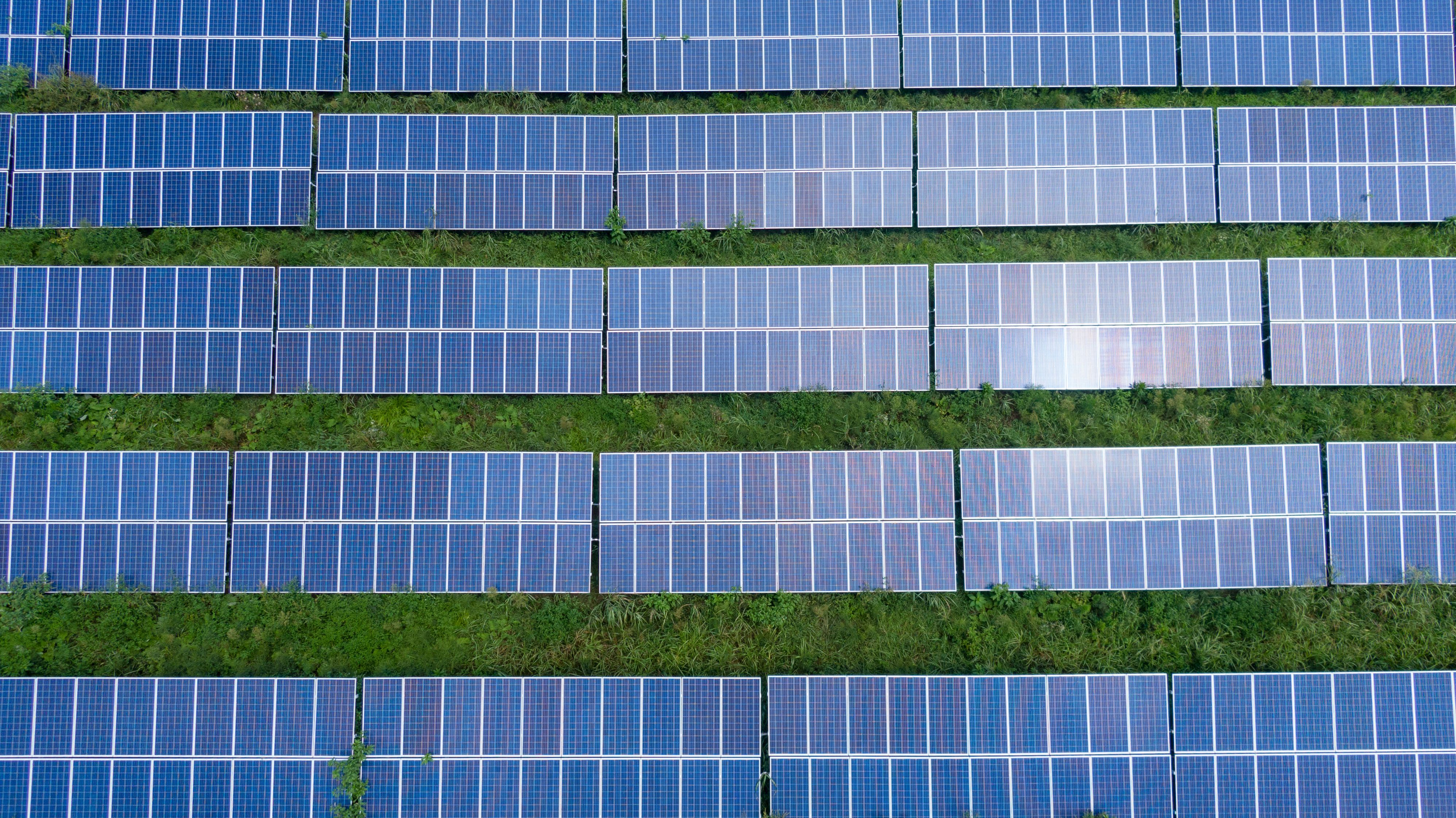
In the town of Caroline, near Ithaca, a group of residents sparked a community solar campaign that led to a 1.8-megawatt array on an old gravel pit. The project now feeds discounted electricity to over 200 households and the town hall. Organizer Sarah Johnson told me, “We started with five people in a living room. None of us were engineers. We just asked a ton of questions and refused to quit.”
Further west, in Genesee County, a dairy farmer leased five acres of scrubby pasture for a community solar project. The lease payments steadied the farm’s income during a brutal stretch of low milk prices. The project also set up a subscription program that put local residents first, keeping the economic lift close to home.
These stories run on a common thread: a small bunch of determined people who walked the same steps laid out here. They ran into skepticism, paperwork, and hold-ups. They also built something that lasts.
Funding and Incentives You Should Know
New York State has several programs that can push a project from “maybe” to “let’s go.” The NY-Sun Megawatt Block incentive pays per watt for eligible community solar projects. The incentive shrinks as more solar gets built in each utility territory, so timing counts. Check the current block status on the NY-Sun website.
Federal tax credits are just as big. The Investment Tax Credit (ITC) covers 30% of eligible project costs if construction starts before 2033. For projects in energy communities—places with brownfields, former coal sites, or high fossil fuel employment—a bonus credit of up to 10% might kick in. A lot of upstate communities qualify, including parts of Broome, Chemung, and Niagara counties.
For municipally owned projects, the Inflation Reduction Act brought in direct pay. Tax-exempt bodies like towns and school districts can now get the ITC as a cash refund instead of a tax credit, wiping away a big barrier to public ownership.
Low-income adder programs through NY-Sun toss in extra incentives for projects serving disadvantaged communities. If your project area lands on the state’s Disadvantaged Community map under the Climate Justice Working Group criteria, you may unlock more funding and technical help.
Common Pitfalls and How to Avoid Them
Even careful projects hit bumps. Here are the ones I run into most often in upstate New York:
Underestimating interconnection costs. A utility study might reveal the nearest substation needs a $200,000 upgrade. Always sock away a contingency fund and explore sharing costs with other developers who’d benefit from the same upgrade.
Ignoring community pushback early. A loud few can stall or sink a project. Talk to neighbors before the public hearing. Hear their worries—even the ones that seem off-base—and tweak your design where you can. A row of evergreens can turn a critic into a subscriber.
Overpromising savings. Solar savings shift with utility rates, subscription discounts, and how a household uses power. Keep your estimates conservative. It feels a lot better to surprise people with extra savings than to let them down.
Neglecting the subscriber experience. If signing up is a headache or the bill credits look like gibberish, people will walk. Put real effort into clear communication and a straightforward enrollment process.
FAQ: Your Community Solar Questions Answered
Do I need to own my home to join a community solar project?
No. Community solar was built for renters, condo owners, and anyone who can’t or doesn’t want to put panels on their roof. As long as you have an electric utility account in the same service territory as the project, you can subscribe. If you move, most contracts let you transfer your subscription to a new address within the same utility zone or cancel with a heads-up.
What happens to the solar array at the end of its life?
A responsible project includes a decommissioning plan from day one. At the end of the array’s useful life—usually 25 to 30 years—the developer must pull out all the equipment and return the land to its original shape. This plan is typically backed by a bond or letter of credit filed with the local municipality, so the community is covered even if the developer goes belly-up.
How does community solar affect local taxes?
Solar projects in New York face property taxes unless the local municipality works out a Payment in Lieu of Taxes (PILOT) agreement. A PILOT delivers predictable yearly revenue to the town, school district, and county, often landing higher than the land’s old agricultural assessment. The project also creates short-term construction jobs and may boost local businesses during development. The overall fiscal picture is usually a net positive for the host community.
Can a community solar project power my home directly during a blackout?
No. Community solar projects feed the wider utility grid, not individual homes. In a blackout, the array shuts down for safety, same as rooftop solar without a battery. Your house will still go dark unless you have a backup generator or battery storage. That said, some communities are exploring solar-plus-storage microgrids that can keep critical spots like fire stations and shelters lit up.
Looking Ahead: The Future of Community Solar in Our Region
The next few years will crack open new doors. New York is expanding its community solar program to allow projects up to 5 megawatts, up from the old 2-megawatt cap. The state is also testing community solar paired with battery storage, which could offer grid services and local backup. And as electric vehicles multiply, community solar could feed public charging stations, stitching together a full local energy loop.
For towns and neighborhoods ready to take that first step, the tools are waiting. NYSERDA gives free technical assistance through its Clean Energy Communities program. Groups like the New York Solar Energy Industries Association offer guides and connections to vetted developers. And neighboring communities that have already built projects are often happy to share what they learned the hard way.
Building a community solar project isn’t a sprint. It asks for patience, stubbornness, and a willingness to learn as you go. But when you throw that switch and watch the meter spin backward for the first time—or when a neighbor tells you they can finally afford to run their air conditioner in July—you’ll know every meeting, every form, and every hard conversation was worth it. That’s the power of doing it together, right here in upstate New York.
