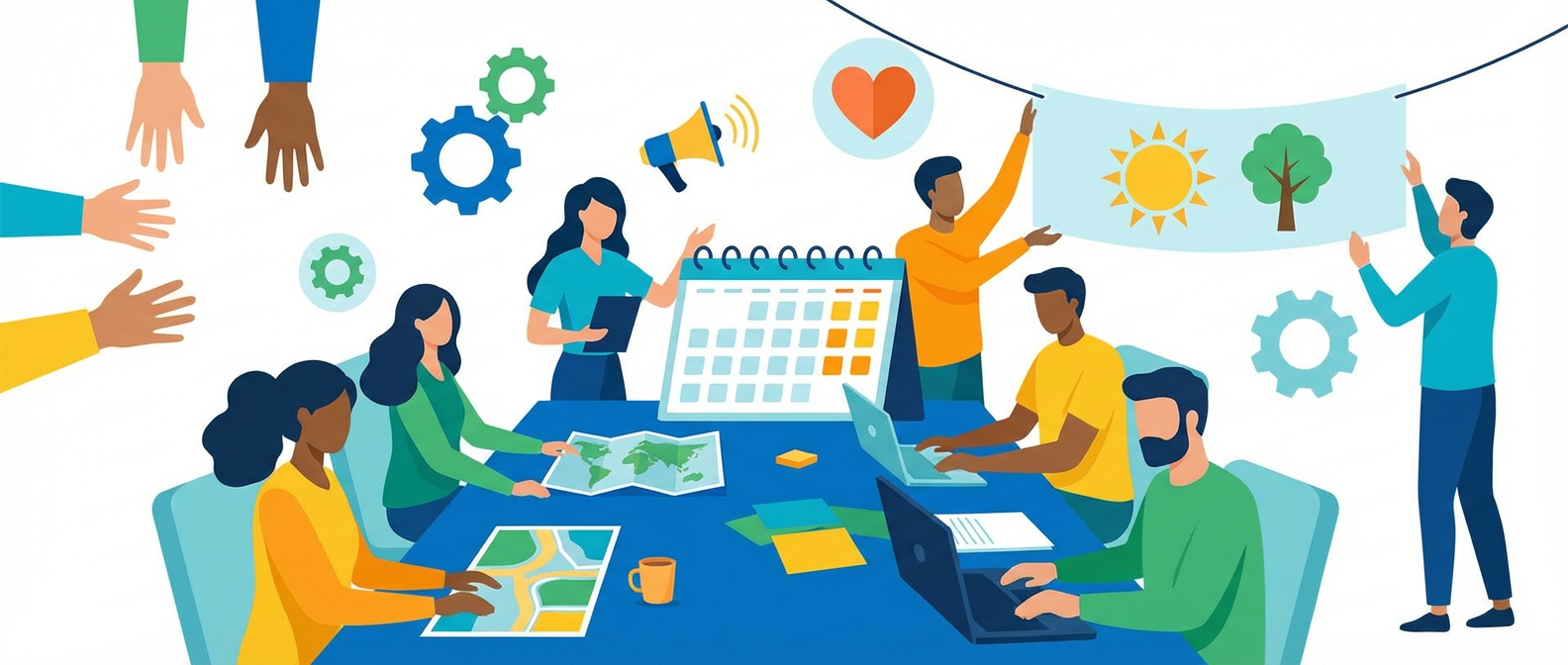
How the Martinez Family Turned Tuesday Dinners into Civic Action (And How You Can Too)

When Life Gets in the Way of Caring About Your Community

Three years ago, Elena Martinez was drowning in the usual chaos of working parent life. Between managing her job at the credit union, her husband’s evening shifts at the hospital, and keeping their two kids fed and reasonably clean, the idea of attending a city council meeting felt as realistic as training for a marathon. She cared deeply about her neighborhood, especially after noticing how many kids had to cross the busy intersection at Oak and Third without a proper crosswalk. But caring and having time to do something about it? Two completely different things.
How the Martinez Family Turned Tuesday Dinners into Civic Action (And How You Can Too)

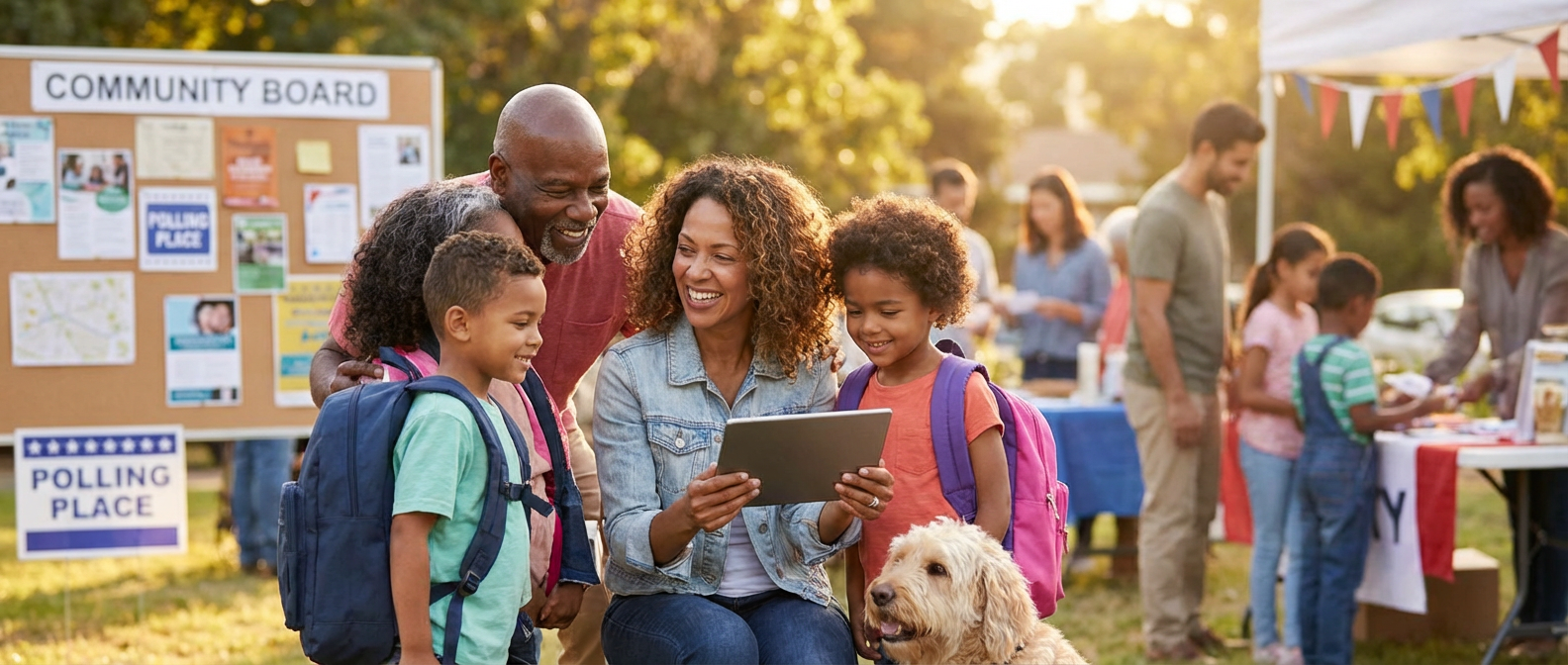
Then Elena discovered something that changed how her entire family thinks about civic engagement. It started with a simple shift in how they spent Tuesday evenings together. It ended up creating real change in their community while actually bringing them closer as a family. Her approach gives any busy family a practical roadmap for making their voice heard without sacrificing time they need for everything else.

Illustration for How the Martinez Family Turned Tuesday Dinners into Civic Action (And How You Can Too)

The Tuesday Night City Hall Experiment

Elena’s breakthrough came when she realized she was approaching civic participation all wrong. Instead of trying to carve out extra time for community involvement, she decided to work it into something her family was already doing: eating dinner together on Tuesday nights. She started by pulling up the city council agenda on her laptop during their meal, reading through the items out loud, and asking her kids what they thought about each issue.

The first few weeks were admittedly awkward. Her eight-year-old son mostly wanted to know when they could talk about something else. Her teenage daughter rolled her eyes at what seemed like the world’s most boring dinner conversation. But Elena stuck with it, and something interesting began to happen. When the agenda mentioned the proposed bike lane on Maple Street, her daughter suddenly perked up because that was her route to school. When the parks department budget came up, her son had strong opinions about the broken equipment at Riverside Park.

Within a month, both kids were asking questions Elena couldn’t answer. What exactly did the zoning variance for the new apartment complex mean? Why was the library cutting weekend hours? These questions led to deeper conversations and, eventually, to action. Elena started taking notes during their Tuesday dinners, not just about what they discussed, but about which issues her family actually cared enough to research further.

Building a Family Civic Engagement System

What came out of those Tuesday dinner discussions was a surprisingly effective system for staying informed and taking action without overwhelming their already packed schedule. Elena developed what she calls the “20-minute rule”: any issue that got genuine interest or concern during dinner earned twenty minutes of family research time the following Sunday afternoon.

During these Sunday sessions, Elena taught her kids how to dig deeper into local issues. They learned to look up background information on city council members, understand how local budgets work, and find contact information for their representatives. Her daughter discovered that the proposed Maple Street bike lane had been stuck in committee for eight months because of concerns from local businesses. Her son learned that the parks budget had been cut three years running, which explained why playground equipment wasn’t being fixed.

The family also set up simple action steps they could take based on their research. Sometimes this meant Elena writing a brief email to a council member during her lunch break. Other times, it meant the kids creating a petition among their friends or Elena sharing important information on neighborhood social media groups. The key was that every action had to fit into their existing routine. Elena refused to let civic engagement become another source of stress for their family.

Turning Information into Community Impact

The Martinez family’s approach started paying off about six months in, when the crosswalk issue that first motivated Elena came up for discussion at city council. Because they had been following local transportation issues through their Tuesday dinners, Elena knew exactly which council members had supported pedestrian safety improvements and which ones typically voted against spending on infrastructure.

Instead of attending the council meeting herself, which would have meant finding childcare and missing an evening with her family, Elena organized something more strategic. She reached out to five other families in her neighborhood who she knew shared her concerns about the intersection. Together, they developed a simple plan: each family would send one email to the three undecided council members, sharing a specific story about near-misses or safety concerns at that intersection.

The personal stories made the difference. When the crosswalk proposal came up for a vote, council members mentioned receiving “numerous concerns from families” about pedestrian safety. The measure passed unanimously, and construction began two months later. Elena’s daughter was among the first students to use the new crosswalk on her way to school, and her son proudly told his friends that his family had helped make it happen.

This success led to more opportunities. When the parks budget came up for renewal, Elena’s family was ready with specific recommendations based on their Sunday research sessions. They had documented which playground equipment needed repair, researched costs for replacements, and identified potential funding sources. Their detailed input, combined with similar efforts from other families Elena had connected with, led to a big increase in the parks maintenance budget.

Making Civic Participation Work for Your Schedule

The most important lesson from Elena’s experience is that effective civic engagement doesn’t require attending meetings or becoming a policy expert. It requires consistency, focus, and working within the constraints of your actual life rather than the life you wish you had. Elena still rarely attends city council meetings in person, but her family’s influence on local decisions has grown significantly because they stay informed and take strategic action.

Their Tuesday dinner tradition continues three years later, though it has changed as the kids have grown older and their interests have shifted. They now spend more time discussing school board decisions and county-level issues that affect their daily lives. Elena has connected with a network of other families who take similar approaches to staying engaged, and they share information and coordinate actions when big issues arise.

The key insight that Elena discovered, and that any busy family can apply, is that civic participation works best when it builds on existing family routines rather than competing with them. Whether it’s Tuesday dinners, Sunday afternoon research sessions, or Wednesday morning coffee conversations, the specific format matters less than the consistency of staying engaged and the commitment to taking small, practical actions based on what you learn.

Elena’s approach proves that you don’t need to reorganize your entire life to make a meaningful difference in your community. You just need to be willing to pay attention, ask questions, and take action within whatever time and energy you actually have available. If you’re ready to experiment with your own family’s approach to civic engagement, start by picking one regular time each week when you’re already together. Try spending fifteen minutes talking about what’s happening in your local government. You might be surprised by how much influence your family can have and how much you all learn in the process.

When Good People Disagree: Navigating the Real Tensions Behind Community Event Planning

The Park Cleanup That Almost Wasn’t

Last month’s Riverside Park cleanup almost didn’t happen, and it had nothing to do with rain or lack of volunteers. The tension started brewing three weeks before the scheduled date when the neighborhood association received two very different visions for the same Saturday morning. One group wanted a family-friendly Earth Day celebration with educational booths and a picnic. Another group pushed for a focused cleanup targeting the homeless encampments that had grown near the riverbank, arguing that safety concerns were being ignored in favor of feel-good activities.

Both groups cared deeply about the park. Both had valid concerns. Both had been volunteering their time for years. Yet somehow, what should have been a straightforward community event turned into a month-long series of heated email exchanges that left longtime neighbors questioning each other’s motives. Sound familiar? If you’ve been involved in community organizing for more than five minutes, you’ve probably witnessed this exact scenario play out in different costumes.

The real story here isn’t about who was right or wrong. It’s about how well-meaning people with shared values can end up at complete odds when the structures for decision-making aren’t clear, when communication happens in fragments, and when underlying tensions about neighborhood change finally find a flashpoint.

Why Smart People Make Bad Decisions Together

Community event planning seems deceptively simple until you’re knee-deep in it. You’d think that organizing a volunteer tree planting would be straightforward: pick a date, get some shovels, plant some trees. But every decision becomes a referendum on deeper questions. Which trees? Whose definition of improvement? Who gets to decide what the neighborhood needs most?

The Riverside Park situation revealed three structural problems that plague community organizing everywhere. First, decision-making authority was unclear. The neighborhood association technically had oversight, but the city parks department had final approval, and the volunteer groups operated semi-independently. When conflict arose, nobody knew who actually had the power to make binding decisions. Second, communication happened through a patchwork of email lists, social media groups, and informal conversations, meaning different people were working with different information. Third, there was no established process for handling disagreement beyond hoping it would resolve itself.

These aren’t personality problems or communication style differences. They’re design flaws in how we structure collective action. When good people end up in bad conflicts, it’s usually because the system is set up to amplify disagreement rather than channel it productively.

The Hidden Costs of Avoiding Conflict

Here’s what actually happened with the park cleanup: faced with mounting tension, the organizers decided to postpone indefinitely rather than choose between competing visions. They hoped that giving everyone time to cool down would lead to compromise. Instead, it led to two separate, smaller events that divided volunteers and left both sides feeling frustrated. The family education event drew about thirty people. The focused cleanup attracted fifteen dedicated volunteers who cleared significant debris but worked in an atmosphere of resentment about the community division.

This is the pattern that plays out in communities across the country. When we treat disagreement as a problem to be avoided rather than information to be processed, we end up with fragmented efforts, duplicated work, and exhausted volunteers. The irony is that conflict avoidance, pursued in the name of harmony, often creates more lasting divisions than working through disagreement directly.

The hidden cost isn’t just inefficiency. It’s that passionate, capable people start to disengage. They conclude that community involvement is more drama than it’s worth, or they retreat into smaller, like-minded groups that feel safer but accomplish less. We lose the cross-pollination of ideas that makes community work creative and effective.

What Actually Works: Structure Over Personality

Three months later, the same neighborhood tackled planning their annual summer festival, but this time they did something different. Instead of hoping for smooth consensus, they built disagreement into the process. They started with a community forum where people could voice concerns and competing priorities openly. They established clear decision-making roles: the neighborhood association would make final calls, but only after structured input from volunteer groups and residents. They created a timeline that included specific points for feedback and revision.

The result wasn’t perfect harmony. People still disagreed about priorities, logistics, and resource allocation. But the disagreement happened within a framework that could handle it. When the debate about noise ordinances got heated, there was a clear process for gathering more information and a designated person empowered to make the call. When competing vendor applications created tension, the established criteria made the decision feel fair even to those who were disappointed.

The festival itself reflected the complexity of the community it served. There were family activities and live music, but also information booths about housing policy and public safety. Volunteers knew their roles and felt ownership over the process because they’d been part of shaping it. Attendance was higher than it had been in years, but more importantly, the planning process strengthened relationships rather than fracturing them.

Building Systems That Handle Real People

The lesson from Riverside Park isn’t that community organizing is inevitably contentious, but that it involves real people with real differences navigating real constraints. The solution isn’t to find better people or avoid difficult conversations. It’s to build systems robust enough to handle disagreement without falling apart.

This means getting specific about roles and authority before you need them. It means creating communication channels that actually reach everyone, not just the people who check email obsessively. It means accepting that some decisions will disappoint some people, and building processes that feel fair even when the outcomes aren’t what everyone wanted. Most importantly, it means recognizing that productive conflict is a skill that communities can develop, not a personality trait that some people have and others don’t.

If you’re planning a community event and starting to see familiar tensions emerge, don’t panic and don’t postpone. Lean into the process. Create space for people to voice concerns directly. Get clear about who makes what decisions and when. Build in time for iteration and adjustment. The goal isn’t to eliminate disagreement but to channel it toward better outcomes than any individual perspective could achieve alone.

Have you seen this dynamic play out in your own community organizing experiences? I’d love to hear how different groups have navigated the tension between efficiency and inclusion, or found ways to structure decision-making that actually works for real people with busy lives and strong opinions.

Your Neighborhood Small Business Support Toolkit: What Actually Works (And What Doesn’t)

Start With What You Already Do, But Do It More Intentionally

Here’s the thing about supporting local businesses: you’re probably already doing it, just not as strategically as you could be. Last month, I spent an evening mapping out every transaction I made within five miles of my house, and the results surprised me. Coffee runs, grocery pickups, that emergency hardware store visit when my kitchen faucet decided to stage a revolt at 8 PM on a Tuesday. All local businesses, all happening naturally.

Your Neighborhood Small Business Support Toolkit: What Actually Works (And What Doesn't)
Your Neighborhood Small Business Support Toolkit: What Actually Works (And What Doesn’t)

The difference between accidental support and intentional support comes down to visibility and consistency. When Maria at the corner market mentioned she was struggling to compete with delivery apps, I realized my twice-weekly visits meant more to her bottom line than I’d understood. Small shifts in timing and frequency can boost your impact without dramatically changing your routine.

Start by tracking your local spending for two weeks. Not obsessively, just jot down where you shop and roughly how much you spend. This baseline helps you spot patterns and opportunities. Maybe you’re already spending $200 monthly on local services, but it’s scattered across fifteen different businesses. Consolidating some of that spending with fewer businesses creates more meaningful relationships and bigger economic impact.

The Real Deal on Business Networking Events and Mixers

Business networking events get a bad reputation, and honestly, some of it’s earned. Nobody wants to endure another evening of forced small talk and business card exchanges that lead nowhere. But here’s what I’ve learned from attending way too many chamber of commerce mixers: the magic happens in the margins, not in the formal presentations.

The best conversations happen during setup and cleanup, when business owners are more relaxed and actually solving problems together. I watched a restaurant owner connect with a local farm supplier while folding chairs after a community meeting. That partnership is still going strong two years later, and it started because they were both helping clean up.

If you’re going to attend these events, come prepared with specific offers, not vague promises to “support each other.” Can you share their social media posts? Do you have a skill they need? Are you connected to potential customers or partners? The small business owners I know appreciate concrete help over general enthusiasm.

For those who find traditional networking uncomfortable, try volunteering for local events instead. You’ll work alongside business owners in a natural setting, building genuine relationships while contributing something meaningful to your community. Plus, you’ll see firsthand how local businesses support community projects, which creates a foundation for mutual support.

Money Talks: Making Your Dollars Work Harder for Local Economy

The economics of local spending are messier than the simple “buy local” message suggests. A dollar spent at a locally owned business circulates through the local economy about 2.6 times before leaving the area, compared to chain businesses where that figure drops to around 1.4 times. But this multiplier effect only works if local businesses can offer competitive value.

This is where honest conversation becomes important. Local businesses need feedback about pricing, service, and product selection, but they need it delivered constructively. When the neighborhood bookstore’s prices run 15% higher than online retailers, that’s worth discussing. Maybe they can offer a membership program, or bundle services, or focus on items where convenience and quick availability justify the premium.

Try shifting your purchasing timeline rather than your purchasing decisions. Instead of buying holiday gifts in December, shop local businesses during their slower months and store purchases for later. This provides crucial cash flow during lean periods and often gets you better service and selection since staff has more time to focus on individual customers.

Group purchasing can also boost individual impact. When eight neighbors coordinate to buy bulk items from a local supplier, everybody benefits from better pricing and the business secures a meaningful order. This works particularly well for seasonal items, specialty foods, or services like home maintenance where timing is flexible.

Building Real Partnerships, Not Just Transactions

The most resilient local business ecosystems develop when businesses support each other, not just when customers support businesses. This means creating connections between businesses that complement each other and helping collaboration that goes beyond simple cross-promotion.

Successful business partnerships in our neighborhood have grown from shared challenges rather than shared opportunities. When three restaurants on the same block realized they were all struggling with food waste, they developed a coordinated approach to donation and composting that reduced costs for everyone while strengthening their relationships with local nonprofits.

You can help these connections by paying attention to common challenges and introducing business owners facing similar issues. The yoga studio looking for healthy catering options meets the farm-to-table restaurant seeking corporate clients. The bookstore wanting to host evening events connects with the wine shop interested in expanding beyond retail. These partnerships create mutual support networks that make all participating businesses more resilient.

Resource sharing is another underused collaboration opportunity. Local businesses often need similar services occasionally: professional photography, bookkeeping, marketing consultation, equipment maintenance. Coordinating shared contracts or referrals can reduce costs and improve service quality for everyone involved.

When Support Isn’t Enough: Honest Assessment and Next Steps

Sometimes, even with community support, local businesses struggle or fail. This reality doesn’t diminish the value of support efforts, but it does require honest assessment of what works and what doesn’t. Business viability depends on factors beyond community goodwill: market timing, management skills, funding, and sometimes just plain luck.

The most helpful approach acknowledges these limitations while maximizing community impact. When a beloved local restaurant closed last year despite strong community support, the owner shared valuable insights about the challenges of competing with food delivery platforms and rising commercial rents. This information helped later restaurant owners make better strategic decisions and helped community members understand how to offer more effective support.

Failed businesses also create opportunities for community solutions. The closed restaurant’s space became a shared commercial kitchen supporting multiple food entrepreneurs, a model that proved more sustainable than single-operator restaurants. The defunct hardware store’s customer base provided the foundation for a buying cooperative that sources products collectively and operates with volunteer labor.

These experiences teach important lessons about sustainable support. Community enthusiasm sustains businesses temporarily, but long-term success requires addressing structural challenges: commercial rent costs, competition from online and chain retailers, access to capital, and regulatory burdens that hit small businesses hardest.

Understanding these broader challenges helps community members advocate more effectively for small business-friendly policies while maintaining realistic expectations about what individual consumer choices can accomplish. The most effective small business support combines immediate purchasing decisions with longer-term advocacy for systemic changes that create better conditions for local entrepreneurship.

If you want to go deeper into local business support strategies, our next community coffee chat is scheduled for the first Saturday of next month at Riverside Cafe. We’ll review the preliminary results from this quarter’s local spending survey and brainstorm collaborative projects for the upcoming season. Bring your ideas and your questions.

Your Complete Guide to Starting a Community Garden: From City Hall to First Harvest

Before You Break Ground: Understanding Your Local Landscape

Every successful community garden starts not with a shovel, but with a phone call. Your first stop should be your city’s parks and recreation department, where you’ll need to understand zoning requirements, liability insurance, and permitting processes. Most cities require gardens on public land to go through a formal application process that can take anywhere from three to eighteen months. Don’t let this timeline discourage you—use it as your planning period.

Your Complete Guide to Starting a Community Garden: From City Hall to First Harvest

Private land gets you growing faster but comes with its own headaches. Property owners need clear lease agreements that address everything from water access to what happens if the land gets sold. I’ve seen too many gardens fail because someone’s handshake deal with a friendly landowner fell apart when circumstances changed. The American Community Gardening Association has template lease agreements that protect both gardeners and landowners.

Insurance is the boring detail that kills dreams. Most cities require $1 million in general liability coverage, which sounds terrifying until you realize it often costs less than $300 annually through organizations like the American Community Gardening Association. Some municipalities will add your garden to their existing coverage, but don’t count on this—get it in writing.

Building Your Core Team and Governance Structure

You need at least five committed people before you start talking to city officials. These people should bring different skills and networks to your community. Look for someone comfortable with bureaucracy, someone with gardening experience, someone connected to local schools or community organizations, and someone who actually knows the neighbors where you want to garden. The person who started the effort doesn’t automatically become the leader. Sometimes the best organizer isn’t the best long-term manager.

Governance sounds formal, but it’s really about preventing conflicts before they start. Will you have individual plots, shared growing spaces, or both? How will you handle plot fees, shared tool maintenance, and the inevitable situation where someone’s plot becomes a weed jungle in July? Smart gardens write these agreements down early, when everyone’s still excited and generous-minded. The Penn State Extension program has excellent templates for garden bylaws and plot agreements.

Money conversations happen now, not later. Most new gardens need $2,000 to $5,000 for basic infrastructure like water access, fencing, tool storage, and soil amendments. Plot fees typically run $20 to $80 annually, but many gardens use sliding scales or work exchanges to ensure economic accessibility. Grant opportunities exist through local community foundations, garden clubs, and environmental organizations, but they require lead time and clear budgets.

Site Selection and Soil Reality Checks

Six hours of direct sunlight daily is non-negotiable for most vegetables, so bring a compass and spend time observing your potential site throughout the day. Those charming spots under mature trees will grow great shade plants but terrible tomatoes. Water access within 100 feet makes the difference between a thriving garden and a constant struggle. Gardens without nearby water sources often fail within two years.

Soil testing isn’t optional, especially on urban sites with unknown histories. Your county extension office can test for basic nutrients and pH for around $15, but urban sites need additional testing for heavy metals like lead. Contaminated soil doesn’t mean your garden is impossible, but it does mean raised beds with imported soil, which significantly increases your startup costs. The EPA’s site database can help you research the history of potential locations.

Size matters, but bigger isn’t always better. A quarter-acre can support 15 to 20 individual plots, while an eighth-acre works well for 8 to 12 gardeners. New gardens often benefit from starting smaller and expanding. It’s easier to manage enthusiasm and maintenance when you’re not overwhelmed by space. Consider your parking situation, neighborhood foot traffic patterns, and how you’ll secure tools and infrastructure overnight.

Infrastructure and Design That Actually Works

Fencing solves multiple problems but creates others. Four-foot deer fencing keeps out rabbits and most dogs while remaining welcoming to humans, but six-foot privacy fencing might be necessary in areas with security concerns. Chain link is durable but expensive, while deer netting is cheap but needs frequent replacement. Whatever you choose, plan gates wide enough for wheelbarrows and accessible to people with mobility limitations.

Water systems range from simple to sophisticated, but reliability matters more than complexity. A single frost-proof spigot with a long hose can handle a small garden, while larger spaces might need multiple access points or drip irrigation systems. Rain barrels are popular but require maintenance and mosquito control. Many successful gardens use a combination: municipal water for reliability with rain collection for conservation.

Tool storage and workspace areas often get overlooked until gardeners realize they’re carrying shovels back and forth every weekend. A simple shed or even a weatherproof box can transform your garden’s functionality. Include space for a wheelbarrow, basic hand tools, and a few folding chairs. Gardens work better when they’re social spaces, not just production zones. Consider accessibility in all your design choices, from path width to raised bed height to tool storage.

Making It Sustainable: The Long Game

Year two is when most community gardens face their first major crisis. The novelty has worn off, the original enthusiasts have moved or gotten busy, and maintenance tasks that seemed manageable become overwhelming. Plan for leadership transition from the beginning by rotating responsibilities and documenting processes. Create simple systems for plot maintenance standards, shared space care, and conflict resolution before you need them.

Educational programming keeps gardens alive and attracts new participants. Partner with local schools for field trips, host seasonal workshops on preserving harvests, or organize seed swaps with other area gardens. These activities build community investment beyond the core gardening group and often attract volunteers for maintenance tasks. The Master Gardener program in most states provides free educational support and connects you with experienced volunteers.

Financial sustainability means planning beyond startup grants. Successful gardens develop multiple revenue streams: plot fees, plant sales, fundraising events, or partnerships with local restaurants or farmers markets. Some gardens operate small farm stands or donate produce to food banks, which can qualify them for additional grant opportunities. Track your expenses and successes. Data helps when you apply for funding or need to advocate for continued municipal support.

Ready to dig deeper into community garden development? Your county extension office has local expertise and connections, while your city’s economic development office might have information about grant opportunities you haven’t considered. Start attending city council meetings, not just to advocate for your garden, but to understand other community priorities where gardens might provide solutions.

How We Turned a Parking Lot Into a Pop-Up Market: Lessons from Six Months of Weekend Coordination

The Problem That Started Everything

Last January, I found myself sitting in another sparsely attended city council meeting, watching three council members debate the fate of the empty lot behind the old Woolworth building. The property owner wanted to pave it for additional parking. The business district association wanted green space. Meanwhile, local vendors had been asking for months about affordable market space, and our Saturday farmers market was bursting at the seams with a two-year waiting list.

How We Turned a Parking Lot Into a Pop-Up Market: Lessons from Six Months of Weekend Coordination

Sometimes the best solutions hide in plain sight. What if we could test whether that lot could handle multiple purposes before anyone committed to concrete? The idea was simple: organize a monthly pop-up market to demonstrate community demand and work out the logistics. The execution, as it turned out, required learning some hard lessons about volunteer coordination, city permits, and the art of managing competing personalities under a hot sun.

Illustration for How We Turned a Parking Lot Into a Pop-Up Market: Lessons from Six Months of Weekend Coordination

Building the Foundation: The First Month’s Reality Check

I started with what felt like a reasonable plan: recruit ten core volunteers, secure basic permits, and launch with fifteen vendors. The city’s special events coordinator, Sarah Chen, walked me through the permit process over coffee at Grind Coffee. She explained that even temporary events needed insurance, traffic management plans, and health department notifications. The permit fees alone would cost $340 per event, not counting insurance at $150 per month.

My first volunteer recruitment meeting drew exactly three people: retired teacher Margaret Santos, college student Tyler Kim, and small business owner David Reyes. Margaret had organized school fundraisers for thirty years and immediately started asking practical questions I hadn’t considered. Where would vendors plug in their equipment? What about bathroom access? Who would handle vendor payments and booth assignments? Tyler offered social media skills but could only commit to four hours on Saturdays. David owned a food truck and understood vendor needs but worried about competition conflicts.

That first meeting taught me that successful volunteer coordination means matching people’s actual availability and skills to specific, clearly defined tasks rather than hoping for general enthusiasm. Margaret became our vendor liaison because she enjoyed detailed communication and had daytime availability for phone calls. Tyler managed our Instagram and Facebook accounts because he could work on social media throughout the week. David helped recruit food vendors and advised on layout logistics because he understood the operational challenges firsthand.

The Systems That Actually Worked

By March, we had developed three core systems that made the difference between chaos and smooth operations. First, we created a shared Google Drive folder with templates for everything: vendor applications, volunteer schedules, setup diagrams, and contact lists. Margaret insisted on paper backups for critical information like vendor booth assignments and emergency contacts. This redundancy saved us multiple times when phone batteries died or WiFi failed.

Second, we established a communication hierarchy that prevented information overload while keeping everyone informed. I sent one weekly email to all volunteers with essential updates and specific requests. Each team lead then coordinated details with their small group. Margaret handled vendor communications through a separate email list and WhatsApp group. Tyler posted public updates on social media twice weekly and day-of event updates hourly. This system meant no one received dozens of emails about topics irrelevant to their role.

Third, we developed detailed setup and breakdown procedures with time estimates for each task. Setup began at 7 AM with Tyler and me marking vendor spaces using chalk and measuring tape. Margaret arrived at 7:30 with coffee and vendor check-in sheets. Volunteers arrived in staggered shifts: three people at 8 AM for table setup, two more at 8:30 for signage and traffic cones, and additional help at 9:30 as vendors finished loading in. Breakdown followed the reverse schedule, ensuring adequate staffing throughout the day while respecting everyone’s time commitments.

Navigating the Unexpected Challenges

The third market in April taught us about crisis management when our insurance company called at 6:45 AM to inform us they couldn’t cover the event because of a policy change. Vendors were already driving to the site with their goods. Sarah Chen from the city met me at the lot at 7:15 and explained that the event could proceed under the city’s general liability coverage for this one time, but we needed new insurance before the next market.

That experience led to developing backup plans for our most vulnerable points. We identified three alternative insurance providers and kept their contact information easily accessible. We established relationships with two nearby parking areas in case our primary lot became unavailable. Margaret created a phone tree system for rapid vendor notification if we needed to cancel or relocate on short notice.

Weather presented ongoing challenges that required constant adaptation. Our May market hit an unexpected thunderstorm that sent vendors scrambling to protect their goods. We learned to monitor weather forecasts closely and developed protocols for different scenarios: light rain meant extra canopies and plastic table coverings, high winds required sandbags and modified booth layouts, and severe weather triggered cancellation procedures with 24-hour vendor notification when possible.

The most persistent challenge involved managing volunteer burnout and scheduling conflicts. By June, Margaret was handling 80% of vendor communications, and Tyler was spending twelve hours weekly on social media management. David had missed two markets because of his own business demands. We addressed this by actively recruiting additional team leads and creating more specific role descriptions that allowed volunteers to contribute meaningfully within their actual availability rather than taking on expanding responsibilities.

Measuring Success and Looking Forward

After six months and twelve market events, we gathered data that told a clear story. Vendor participation grew from fifteen to twenty-eight businesses, with consistent attendance averaging twenty-two vendors per market. Customer surveys showed 78% lived within five miles of the market, and 65% visited other downtown businesses on market days. Local business owners reported measurable increases in Saturday foot traffic, and the downtown association voted unanimously to support permanent market space development.

The city council reviewed our documentation in September and approved a pilot program for the following year, including infrastructure improvements like electrical access and permanent vendor booth markers. The property owner agreed to delay parking lot development pending the pilot results. More importantly, we had created a volunteer network that understood both the vision and the practical work required to make community events successful.

Our volunteer base had grown to twelve regular participants, each with clearly defined roles that matched their skills and availability. Margaret trained two additional vendor coordinators, Tyler developed social media templates that new volunteers could easily use, and David recruited three other local business owners who understood vendor needs and market logistics.

The project showed that effective community organizing requires balancing big-picture vision with detailed operational planning. You have to match volunteer opportunities to people’s actual capacity rather than idealized commitments, and develop systems that can adapt to inevitable challenges while maintaining core functions. Most importantly, it proved that meaningful civic engagement happens through consistent, practical work rather than dramatic gestures.

If you’ve been thinking about organizing something in your own community, start by attending one city council meeting and reading the agenda beforehand. Notice what issues keep appearing month after month. Sometimes the solution requires bringing together people who haven’t been talking to each other yet, testing ideas on a small scale, and building systems that work for real humans with busy lives and competing priorities.

How We Turned a Vacant Lot Into a Community Garden (And What I Learned About Getting Things Actually Done)

The Problem That Started Everything

Three years ago, the corner of Maple and Third looked like pretty much every other forgotten space in our neighborhood. Weeds pushing through cracked concrete, a chain-link fence that had seen better decades, and the kind of resigned neglect that makes you walk a little faster when you pass by. The lot had been empty since the old hardware store closed in 2019, and according to the planning commission minutes from that fall, the city had been fielding complaints about “visual blight” and “safety concerns” for months.

How We Turned a Vacant Lot Into a Community Garden (And What I Learned About Getting Things Actually Done)

But here’s what those minutes didn’t capture: Mrs. Chen from the corner house had been calling about broken glass every week. The Martinez family couldn’t let their kids ride bikes on that block anymore. And Sarah, who runs the breakfast counter at Miller’s Cafe, mentioned that her morning regulars kept asking when someone was going to do something about “that eyesore.” The complaints weren’t just bureaucratic paperwork. They were neighbors watching their daily lives get a little bit worse, one broken window and dumped tire at a time.

Illustration for How We Turned a Vacant Lot Into a Community Garden (And What I Learned About Getting Things Actually Done)

Finding the Right People for the Right Reasons

The breakthrough came during a particularly long city council meeting in February 2022. I was there for the usual reason, taking notes on the budget discussion that would determine our library hours for the next year. But during public comment, three different people brought up the Maple and Third lot. Not in a coordinated way. Just three neighbors who had reached the same conclusion independently: something needed to happen.

After the meeting, I introduced them to each other in the parking lot. Maria Santos, who had been gardening in her backyard for fifteen years and knew everything about our clay soil conditions. James Wright, recently retired from project management at the phone company, who still got excited about Gantt charts and permit applications. And Lisa Park, who taught third grade and had that particular teacher superpower of making complicated things sound simple and getting people to actually show up when they said they would.

We went for coffee the next Saturday morning. Not to plan anything grand, just to figure out what we were actually dealing with. Maria brought a soil testing kit she had ordered online. James had printed out the property records and zoning maps. Lisa brought homemade muffins and a yellow legal pad, because teachers always bring yellow legal pads. By the time we finished our second cup of coffee, we had a list of eight phone calls to make and a meeting scheduled with the city’s community development coordinator for the following Wednesday.

Navigating the Actual Process

Here’s what nobody tells you about turning an idea into a real thing: most of the work happens in meetings that feel completely unrelated to your original goal. We spent six weeks learning about liability insurance, soil contamination testing, and something called a “temporary use permit” that turned out to be neither temporary nor simple. The city was helpful, but helpful in the way that large organizations are helpful when you ask them to do something that doesn’t fit neatly into their existing categories.

The soil testing came back clean, which was the first real victory. James figured out that we could apply for a community development grant that would cover the basic infrastructure, but only if we could demonstrate “sustained community engagement” and provide “evidence of long-term viability planning.” In other words, we needed to prove that people actually wanted this thing before anyone would help us build it.

So we organized a neighborhood walk-through on a Saturday morning in April. Lisa made flyers and put them on every door within three blocks. Maria mapped out what could actually grow in that space during different seasons. I brought copies of the site plans and budget estimates, because someone always asks about the details and it’s better to have answers than to promise you’ll get back to them later. Eighteen people showed up, including Mrs. Chen and two of Sarah’s breakfast regulars. By the end of the hour, we had twelve volunteers committed to the setup work and five families ready to take on permanent plots.

The Work Behind the Work

The actual construction happened over two weekends in June, but the real organizing had been going on for months. James created a shared spreadsheet that tracked everything from tool inventory to volunteer schedules to which neighbor had agreed to water the seedlings during the first crucial weeks. Maria had connected with the county extension office to plan workshops on composting and pest management. Lisa organized the kid-friendly activities that would happen during work sessions, because you can’t ask parents to volunteer for weekend projects without planning for their children.

The unglamorous truth is that community organizing is mostly about making lists and following up with people and remembering that Tom can only lift light things because of his back surgery, but Sarah’s teenage daughter is surprisingly good with power tools. It’s about knowing that the hardware store gives nonprofit discounts on Tuesdays, and that the coffee shop will donate day-old pastries if you ask nicely and pick them up before 7 AM.

On the second Saturday, we had twenty-three people show up with work gloves and water bottles. The raised beds went in faster than anyone expected. Mrs. Chen brought her grandson, who turned out to have strong opinions about which vegetables should go where. By noon, we were planting tomatoes and herbs and flowers, and the thing that had been an idea in February was dirt under our fingernails and seedlings that would need watering on Tuesday.

What Actually Sticks

The community garden has been operating for two full growing seasons now. The tomatoes came in beautifully that first summer. The winter greens survived better than anyone expected. This spring, we added three more plots and a small tool shed that James designed and a group of high schoolers built as part of their community service requirements.

But the thing that surprises me most is how the work changed the way our neighborhood works. Not in some grand, transformative way. In small, practical ways that add up over time. Mrs. Chen knows Maria’s name now, and they trade gardening advice over the fence. The breakfast counter at Miller’s has a small display of vegetables from the garden on Saturday mornings. When someone has a question about city services or wants to know when the next council meeting is, they have people to ask who will actually know the answer.

The process taught me that community organizing isn’t really about having the right idea or being the most passionate person in the room. It’s about being willing to make phone calls and keep track of details and show up when you say you will. It’s about understanding that most people want to help with things that matter, but they need someone to figure out the logistics and make it easy to say yes.

If you’ve been thinking about starting something in your own neighborhood, the best place to begin is probably smaller than you imagine and more concrete than you expect. Find two other people who care about the same problem you do, figure out one specific thing you could actually accomplish in the next three months, and make a list of whom you need to talk to first. The complicated parts will reveal themselves as you go, but they’re usually less complicated than they seem from a distance.

The Magic Happens in the Details: What I Learned from Maria About Running Events That Actually Work

The Woman Who Never Forgets the Folding Tables

Maria Gonzalez has been coordinating our neighborhood’s annual block party for seven years running, and I finally convinced her to let me shadow her this year to see how she makes it look so effortless. What I discovered is that the secret isn’t some grand organizational system or expensive software. It’s that Maria thinks about the things the rest of us forget exist until we desperately need them.

The Magic Happens in the Details: What I Learned from Maria About Running Events That Actually Work

Three weeks before this year’s event, I found her in the community center storage room at 6:30 AM, flashlight in hand, counting extension cords. “People think about the big stuff,” she told me, untangling a particularly stubborn knot. “The permit, the insurance, booking the band. But nobody thinks about how the cotton candy machine is going to get power when the nearest outlet is forty feet away and there are three hundred people between here and there.”

She showed me her planning binder, a three-inch thick monster that’s survived coffee spills, toddler crayon marks, and what appears to be some kind of barbecue sauce incident from 2019. Inside, tabs separate everything from vendor contact sheets to hand-drawn maps of where every single folding table needs to go. The detail that struck me most was a page titled “Things That Went Wrong” with entries like “2018: Ran out of napkins by 2 PM” and “2020: Virtual event, wifi crashed during mayor’s speech, backup hotspot saved the day.”

Illustration for The Magic Happens in the Details: What I Learned from Maria About Running Events That Actually Work

The Volunteer Whisperer’s Gentle Art

I used to think getting volunteers was about making passionate appeals or guilt trips, but watching Maria recruit help taught me it’s actually about understanding what people can realistically give and matching that to what actually needs doing. When she asked Jim from down the street to help, she didn’t say “we need volunteers for setup.” She said, “Jim, you know how you’re always up early walking Duke? Could you swing by the park around 7 AM and help us get the tables out of the truck? Probably take about twenty minutes.”

The genius is in the specificity. People can say yes to twenty minutes at 7 AM. They can’t say yes to “help with setup” because that could mean anything from thirty minutes to eight hours. Maria keeps a mental catalog of everyone’s schedules, skills, and tolerance levels. She knows that Sarah the nurse can’t commit to morning tasks because she works nights, but she’s great with kids and available around 2 PM. She knows that the Rodriguez family loves to cook but gets overwhelmed by crowds, so she asks them to handle food prep at home rather than work the serving line.

The other thing Maria does that most event planners don’t is create what she calls “escape hatches.” Every volunteer gets a specific end time, and she actually means it. “If you tell someone they can leave at 4 PM and then guilt them into staying until 6, they’ll remember that next year,” she explained. “But if you let them go right at 4 PM even though you could use the help, they’ll volunteer again because they trust you.”

The Infrastructure No One Talks About

Two days before the block party, Maria and I made what she calls “the bathroom run.” We drove to every business within three blocks of the event space, introducing ourselves and asking if their restrooms would be available during the party hours. Most said yes immediately, but a few needed some negotiation. The new coffee shop was worried about crowds, so Maria suggested they put up a small sign advertising their weekend specials. The auto repair shop was concerned about liability, so she showed them our insurance certificate and explained that we’d have volunteers directing foot traffic.

This kind of community infrastructure building happens largely invisibly, but it’s what makes the difference between an event that works and one where people spend half their time looking for a bathroom or somewhere to throw away their paper plates. Maria has built relationships with the local businesses, the parks department, the police dispatcher who handles our permit, and the guy who delivers the portable stage every year.

She also thinks about accessibility in ways that go beyond the official requirements. Yes, we have wheelchair-accessible routes and seating areas, but Maria also considers things like having a quiet space for people who get overwhelmed by crowds, making sure there are places to sit that aren’t just on the ground, and positioning the ASL interpreter where the late afternoon sun won’t be shining directly into their face.

When Things Go Sideways (And They Always Do)

About two hours into this year’s block party, the band’s sound system decided to emit a feedback screech that could probably be heard in the next county. While the rest of us stood around looking helpless, Maria was already on her phone with the backup sound guy she keeps on call. “This is exactly why I budget for two of everything important,” she told me later. “Not because I’m pessimistic, but because stuff breaks and people get sick and trucks get flat tires.”

But the real test came when Mrs. Chen’s grandson took a tumble near the face painting booth and scraped his knee pretty badly. Within sixty seconds, Maria had produced a first aid kit, located the boy’s parents in the crowd, and radioed for one of our volunteer EMTs to come take a look. The whole incident was handled so smoothly that most people didn’t even notice it happened.

What struck me was how calm everyone stayed, including the kid. That doesn’t happen by accident. Maria had briefed all the volunteers on emergency procedures, made sure everyone knew who to radio for what, and positioned the first aid station where it was accessible but not anxiety-inducing. She’d thought through the scenarios that might happen and prepared for them without creating an atmosphere of worry.

The Ripple Effects of Doing It Right

By the end of the day, as we folded the last of those carefully counted tables and swept up the inevitable confetti explosion from the kids’ craft area, I understood why our block party has grown every year while other neighborhood events have fizzled out. It’s not just that Maria is organized, though she certainly is. It’s that she approaches community event planning as a form of care for the people who live here.

Every detail she obsesses over, from the extension cord logistics to the bathroom negotiations, is ultimately about making sure that families with little kids don’t have to stress about logistics, that elderly neighbors can participate comfortably, and that busy volunteers don’t get burned out. When people feel taken care of, they show up. When they show up, they meet their neighbors. When neighbors know each other, all sorts of good things become possible.

If you’re thinking about organizing something in your community, Maria’s binder is available for borrowing, and she’s always happy to talk through the practical stuff over coffee. The city council meets every second Tuesday if you want to understand what resources are available, and there’s usually a community volunteer coordination meeting the first Thursday of each month at the library. Come find me at either one if you want to brainstorm how to make something happen in your corner of the neighborhood.

The Quiet Revolution Happening in Your Neighborhood

When Mrs. Chen Started Sharing Her Garden

Three years ago, Mrs. Chen planted more tomatoes than she could eat. Living alone in the duplex on Maple Street, she found herself with baskets of cherry tomatoes ripening faster than she could give them away to neighbors. So she did something simple that would ripple through our neighborhood in ways none of us expected. She put up a small sign: “Free tomatoes, take what you need.”

That handwritten cardboard sign was the beginning of what urban planners now call a mutual aid network, though Mrs. Chen would probably just call it being neighborly. Within weeks, other residents began adding their own surplus to the informal exchange. Miguel from the corner house brought excess zucchini from his backyard plot. The young family in the blue Victorian started leaving children’s clothes their kids had outgrown. By winter, someone had built a weatherproof little free pantry, and by the following spring, we had accidentally created something remarkable.

What started with tomatoes became a web of resource sharing that touches nearly every household on our block. But more importantly, it became a template that other neighborhoods began copying, tweaking the basic idea to fit their own needs. The beauty is in how organic these networks can be when people simply pay attention to what their community actually needs.

Mapping the Real Economy of Care

Walk through any neighborhood and you’ll see the official economy: storefronts, businesses, the visible markers of commerce. But there’s another economy running parallel, one that operates on completely different principles. Sarah Martinez, who coordinates our local mutual aid efforts, keeps a mental map of this invisible system. She knows that the Johnsons always have extra firewood to share in October, that the teenage siblings on Oak Street are willing to shovel sidewalks for elderly neighbors, and that the mechanic on Fourth Street will teach basic car maintenance to anyone who brings coffee and asks nicely.

This parallel economy operates on abundance thinking rather than scarcity. Instead of assuming there’s never enough to go around, it starts from the premise that communities contain vast untapped resources, skills, and generosity. The challenge isn’t finding these resources but creating systems that make sharing them feel natural and sustainable. Sarah has learned that successful mutual aid depends less on formal organization than on what she calls “gentle infrastructure” — the kind of light-touch coordination that helps connect needs with resources without creating bureaucracy.

The most effective networks she’s observed share certain characteristics: they respond to actual needs rather than imposing predetermined solutions, they build on existing relationships rather than trying to create entirely new ones, and they recognize that everyone has something to offer, even if it’s not immediately obvious. A neighbor who seems to have nothing material to contribute might be the person with the most flexible schedule, the one who becomes the network’s coordinator simply because they’re available when needs arise.

Beyond Food: The Full Spectrum of Sharing

While food sharing gets the most attention in discussions of mutual aid, the most robust networks quickly expand beyond edible goods. In our neighborhood, the tool library that operates out of Pete’s garage gets more regular use than the little free pantry. People borrow everything from power drills to canning supplies to folding chairs for birthday parties. The system runs on trust and a simple checkout sheet. In two years, only one item has gone missing permanently.

Knowledge sharing often proves even more valuable than physical resources. Elena Rodriguez, a retired teacher, holds informal tutoring sessions in her living room twice a week. No appointments, no fees, just kids from the neighborhood dropping by with homework questions or adults working on their GED. Down the street, James Wright, a carpenter, spends Saturday mornings teaching basic home repair skills in his driveway workshop. These skill-sharing relationships often become the strongest threads in the network, creating ongoing connections that go far beyond single transactions.

The childcare cooperative that emerged last year shows how mutual aid can address some of the most pressing economic pressures families face. Eight households coordinate informal childcare sharing, allowing parents to cover each other for everything from grocery runs to job interviews. It’s not a formal daycare system, but it fills gaps that traditional childcare often can’t, particularly the irregular scheduling needs that many families navigate.

Emergency response capabilities develop naturally within these networks. When the Martinez family’s apartment had a kitchen fire last winter, they had temporary housing, meals, and replacement household goods organized within hours through existing neighborhood connections. No applications, no waiting periods, no bureaucratic hurdles to navigate while dealing with the immediate crisis.

The Mechanics of Making It Work

Sustainable mutual aid networks require what organizers call “infrastructure without bureaucracy.” The most successful ones develop simple, flexible systems that can handle coordination without creating administrative burdens. Our neighborhood uses a combination of a shared online calendar, a group text thread, and old-fashioned word-of-mouth to coordinate activities and requests.

The group text has become central to how things function day-to-day. Someone posts that they need help moving furniture, and responses come quickly from people who are available. A parent asks if anyone has children’s cold medicine during a weekend pharmacy closure, and three neighbors respond within minutes. The immediacy creates a sense of reliability that formal systems often struggle to match.

Trust-building happens through small, repeated interactions rather than grand gestures. People start by sharing low-stakes items and gradually build confidence in the system. The neighbor who initially only contributed occasional excess vegetables might eventually become someone who regularly coordinates larger projects like neighborhood cleanup days or bulk buying cooperatives.

Conflict resolution, when needed, happens through the same informal channels. When disagreements arise about resource allocation or participation expectations, they’re typically addressed through conversation rather than formal procedures. This approach works because the scale remains manageable and relationships are ongoing rather than transactional.

Building Your Own Network

Starting a mutual aid network doesn’t require grand planning or significant resources. It requires attention to what already exists and small experiments in expanding it. Look for the informal sharing that’s already happening in your area. Maybe it’s the neighbor who always has extra produce, the person who regularly gives away items on social media, or the informal childcare help that parents already provide each other.

Begin with your own abundance. What do you have too much of, whether that’s physical items, time, or skills? Put that surplus into circulation in visible ways and pay attention to the response. Start conversations about what people need and what they have to offer. Most networks begin with just a few households and expand organically as people see the benefits.

The key is lowering barriers to participation rather than creating elaborate systems from the start. Simple bulletin boards, neighborhood social media groups, or even just regular porch conversations can provide the minimal coordination needed to get started. The infrastructure can become more sophisticated over time as the network grows and learns what it actually needs.

If you’re reading this and thinking about the untapped resources in your own neighborhood, consider starting with something as simple as Mrs. Chen’s tomato sign. Pay attention to what happens next. The rest might just organize itself around that small beginning, creating the kind of local resilience our communities desperately need. What abundance do you have that’s waiting to be shared?

How One Block Party Started a Movement: Building Bridges in Riverside Heights

When the Letters Started Flying

The first sign of trouble came in the form of a carefully typed letter taped to every door on Maple Street. Mrs. Chen, who had lived in Riverside Heights for thirty-seven years, was complaining about the “excessive noise” from her new neighbors. The Gonzalez family had moved in three months earlier, and their weekend gatherings were apparently disrupting the peace. Within days, counter-letters appeared, some supportive of the Gonzalez family’s right to celebrate, others echoing Mrs. Chen’s concerns about changing neighborhood character.

What struck me most when I heard about this at our monthly neighborhood association meeting wasn’t the complaint itself. Noise disputes happen everywhere. It was how quickly the conversation split along cultural lines, how assumptions filled the gaps where actual conversation should have been. The Gonzalez family thought Mrs. Chen was unwelcoming to Latino families. Mrs. Chen felt her concerns about noise levels were being dismissed as prejudice. Both sides had retreated to their corners, and the rest of us were watching a community slowly fracture over something that could have been resolved over coffee.

That’s when Maria Santos, who runs our community garden and has an uncanny ability to see solutions where others see problems, suggested something radical: instead of trying to mediate the dispute through formal channels, why not create space for people to actually meet each other?

The Anatomy of a Successful Block Party

Planning began six weeks before the event, and every detail mattered. Maria and I spent two Tuesday evenings walking door-to-door, not to sell the idea but to listen. We asked what people wanted to see happen, what their concerns were, and what they could contribute. Mrs. Chen mentioned she made excellent dumplings but worried about dietary restrictions. The Gonzalez family offered to organize games for kids but wanted to make sure other families felt included.

The logistics required real coordination, not just good intentions. We set up three food stations representing different cultural traditions, with clear labeling for allergies and dietary needs. Instead of a single DJ or band, we created a rotating schedule where different families could share their music for thirty-minute slots. The key insight came from David Kim, a recent college graduate who pointed out that activities needed to encourage mingling rather than allow people to stick with familiar groups.

We borrowed tables from the community center, got permits for street closure, and organized a simple but effective system for setup and cleanup. The neighborhood association covered basic costs like permits and paper goods, while families contributed food and labor. Most importantly, we created specific roles for people who were nervous about participating. Mrs. Chen became our “information coordinator,” creating a beautiful handwritten guide to all the dishes being served. The Gonzalez family’s teenage daughter designed bilingual signage that helped everyone navigate the event.

What Actually Happened on the Day

The morning of the block party, I arrived at 8 AM to find Mrs. Chen already setting up her dumpling station and chatting with Roberto Gonzalez about the best way to keep food warm. They had discovered a shared passion for gardening and were comparing notes on dealing with the aphids that had been plaguing everyone’s tomatoes. It was such a small moment, but it captured exactly what we had hoped might happen.

By noon, Maple Street was transformed. Kids who had never spoken were teaching each other games in a mixture of languages. The Johnsons, an elderly African American couple, were deep in conversation with the new Ethiopian family about berbere spice blends. Three different neighbors offered to help the Patels, who were moving in the following week, with unpacking boxes.

The real breakthrough came during the informal talent portion. Mrs. Chen’s granddaughter played violin, followed by a group of kids who performed a dance they had apparently choreographed during the food line. Then Roberto Gonzalez started playing guitar, and somehow Mrs. Chen knew the melody and began humming along. It wasn’t planned or organized, just the natural result of people discovering they had more in common than they realized.

But the day wasn’t without challenges. The music schedule ran over, some people complained about parking, and we definitely underestimated how much ice we would need. What mattered was that people were talking through these issues instead of retreating to separate camps. When the afternoon rain started, neighbors spontaneously offered their porches and garages as shelter, turning a potential disaster into an opportunity for smaller, more intimate conversations.

The Ripple Effects We Didn’t Expect

Six months later, the changes are subtle but unmistakable. Mrs. Chen and the Gonzalez family have worked out a simple system for weekend gatherings: a heads-up text about timing and an open invitation for Mrs. Chen to join if she wants company rather than quiet. It sounds almost disappointingly practical, but that’s exactly why it works.

More significantly, other streets started asking how to organize their own block parties. The community garden expanded by two plots after people met during the event and discovered shared interests. The neighborhood association meetings, which used to draw the same twelve people every month, now regularly see twenty-five to thirty attendees representing much more of our area’s diversity.

The most unexpected development has been our informal “newcomer buddy system.” When families move to the neighborhood now, longtime residents volunteer to make introductions, share information about local resources, and help navigate everything from garbage collection schedules to the best places to find specific groceries. It’s not an official program, just something that emerged naturally from people who had experienced firsthand how much easier it is to build community than to repair it after misunderstandings take root.

Replicating What Works

The framework is simpler than you might think. Start with listening, not planning. Spend time understanding what specific tensions or missed connections exist in your area. Every neighborhood has its own dynamics, and solutions need to reflect local realities rather than generic community-building advice.

Focus on activities that require cooperation but don’t force intimacy. Shared meals work because everyone understands food, but the key is creating reasons for people to move around and interact rather than sitting with familiar faces. Games that mix age groups, collaborative art projects, or skill-sharing workshops all create natural opportunities for conversation without the pressure of formal introductions.

Most importantly, plan for sustainability from the beginning. One-time events can break the ice, but lasting relationships require ongoing opportunities to connect. Our block party led to monthly potluck dinners, a tool-lending library, and a neighborhood social media group that actually focuses on mutual aid rather than complaints about parking.

The work isn’t complicated, but it is work. Someone needs to handle logistics, follow up with people, and maintain momentum when enthusiasm inevitably wanes. The good news is that once people experience real community connection, they become invested in preserving it.

If you’re thinking about trying something similar in your area, start small and start soon. Reach out to neighbors you already know, identify one or two others who share your interest in building connections, and commit to that first door-to-door listening tour. The specific event matters less than creating authentic opportunities for people to discover they’re part of the same community, not just residents of the same geographic area.

Your November Ballot Decoded: What Actually Matters for Our Community

The Candidates Who Will Shape Your Daily Life

Let’s start with the races that directly impact whether your potholes get fixed and your neighborhood park stays safe. Our city council has three open seats this year, and the differences between candidates matter more than you might think. I’ve been tracking these folks through candidate forums, campaign finance reports, and those wonderfully boring planning commission meetings where the real work happens.

District 2 has the clearest choice. Maria Santos has spent two years attending every single city council meeting as a resident advocate, successfully pushing for the crosswalk improvements on Maple Street that finally happened last spring. Her opponent, Jeff Morrison, brings business experience but has been notably absent from community meetings about the proposed apartment complex that would directly impact his district. Santos supports the inclusionary housing ordinance that requires new developments to include affordable units. Morrison opposes it, citing concerns about development costs that could slow construction.

The at-large seat race between incumbent Tom Chen and challenger Rebecca Williams comes down to priorities. Chen championed the downtown revitalization project that brought us three new restaurants and the farmers market expansion, but he voted against funding for additional crossing guards at elementary schools. Williams, a former school board member, promises to prioritize pedestrian safety and has detailed plans for traffic calming measures. She also supports converting the old library building into a community center, while Chen wants to sell it to a private developer.

In District 4, candidate profiles matter less than their voting records on housing. Lisa Park supports allowing accessory dwelling units in single-family zones, which could help our teacher and firefighter friends actually afford to live here. Her opponent David Kim opposes ADUs, citing parking concerns, but hasn’t proposed alternative solutions to our affordable housing crisis that forces essential workers to commute from two towns over.

The Ballot Measures That Affect Your Wallet

Measure A asks for a $180 million bond to upgrade our aging water infrastructure. Before you reflexively vote no on anything involving taxes, consider this: the water main breaks we’ve experienced on Oak Street, Riverside Drive, and downtown have cost us $2.3 million in emergency repairs over the past eighteen months. The bond spreads systematic upgrades over fifteen years, with an estimated $47 annual increase for the average homeowner. Without it, we’re looking at continued emergency fixes that cost way more and leave residents without water for days at a time.

The city’s own engineering assessment shows that 40% of our water pipes are past their recommended replacement age. You can find this info in those riveting public works reports if you’re curious. The bond includes smart meter installation that could reduce water waste and lower bills for conservation-minded residents. It also funds the long-promised connection to the county water system that would provide backup supply during drought years.

Measure B, the sales tax increase for park maintenance, deserves your attention even if you don’t have kids. The quarter-cent increase generates an estimated $890,000 annually, designated specifically for park upkeep, trail maintenance, and playground safety upgrades. Our parks budget was cut 35% during the recession and never restored. The result? Broken playground equipment at Sunset Park, overgrown trails that discourage walking, and a community pool with filtration issues that caused three closures last summer.

This measure includes sunset language requiring voter reauthorization in ten years, plus quarterly public reporting on how funds are spent. The opposition argues that general fund money should cover parks, but those budget discussions I’ve sat through make it clear: without dedicated funding, parks consistently lose out to police, fire, and road maintenance when tough choices arise.

School Board Races That Determine Your Property Values

Strong schools drive property values and community health, making these races important even for residents without school-age children. The school board oversees a $47 million annual budget and makes decisions that ripple through our entire community.

Position 3 candidate Sarah Mitchell brings finance experience from her corporate background and promises fiscal responsibility. She’s questioned the district’s technology spending and wants performance audits of administrative costs. Her opponent, current teacher Amanda Foster, offers classroom perspective on what actually works for student learning. Foster supports the proposed bond for school building improvements, while Mitchell wants to delay it pending the audit results.

The real issue here isn’t just money management. Our schools face teacher retention problems, with 23% turnover last year compared to the state average of 16%. Foster argues this stems from inadequate classroom resources and outdated facilities that make teaching more difficult. Mitchell contends that better budget oversight could free up funds for teacher support without new taxes.

Position 5 has two candidates with dramatically different visions. Parent activist Mike Rodriguez wants to eliminate the district’s social-emotional learning programs, calling them unnecessary. Retired principal Janet Kim defends these programs, pointing to decreased suspension rates and improved graduation statistics since implementation. This philosophical divide affects everything from curriculum choices to how schools handle student mental health support.

Local Ballot Measures Worth Your Research Time

Measure C, the affordable housing trust fund, deserves deeper consideration than its opponents suggest. The $50 annual parcel tax creates a dedicated fund for down payment assistance and affordable housing development. Critics call it another tax burden, but the housing crisis affects everyone. When teachers, nurses, and firefighters can’t afford to live here, we all pay through longer emergency response times, teacher shortages, and reduced community services.

The trust fund includes accountability measures requiring annual public reports and citizen oversight. It also leverages state and federal matching funds, potentially tripling the local investment. Other similar-sized cities with housing trust funds have seen measurable results: Riverside created 89 affordable units over five years, and Fairfield provided down payment assistance to 156 first-time homebuyers.

Measure D addresses our transportation future through a vehicle registration fee increase of $25 annually. This funds specific projects: bike lane completion on the north side, traffic signal upgrades that reduce wait times, and Americans with Disabilities Act improvements to crosswalks. The opposition focuses on the fee increase, but ignores the federal matching funds we lose without local transportation revenue. Those federal dollars built the roundabout that eliminated accidents at the dangerous intersection near the high school.

Making Your Vote Count Beyond November

The most important information isn’t always on candidate websites or in campaign mailers. City council agendas, budget documents, and planning commission reports reveal how candidates actually engage with community issues. School board meeting minutes show who asks tough questions about student outcomes versus who grandstands about politics.

Sample ballots are available at the county registrar’s office and online, letting you research and mark choices before heading to the polls. Local candidate forums, often recorded by our community access cable channel, provide unscripted moments that reveal candidate priorities better than polished campaign events.

Remember that these local elections often get decided by margins of fewer than 100 votes. Your neighbors who volunteer for creek cleanups, coach youth sports, and organize block parties understand that democracy works best when we stay engaged beyond election day. Consider joining them at the next city council meeting on the third Tuesday of each month. The coffee’s terrible, but the conversations about our community’s future are worth your time.