The Shifting Landscape of American Faith
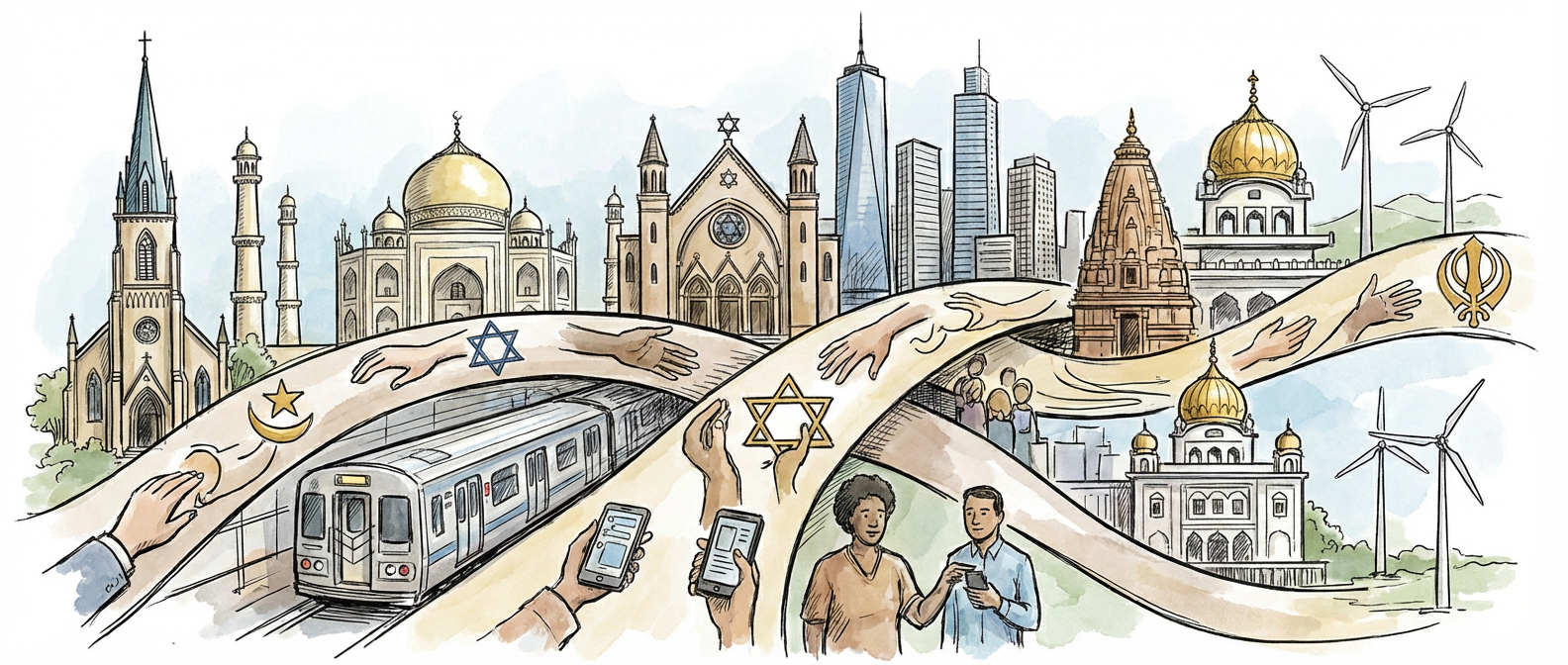
Religion in America has changed drastically over the past two decades. Where once nearly nine in ten Americans identified with a religious tradition, today more than three in ten adults consider themselves religiously unaffiliated — that’s double the number since 2007. This doesn’t necessarily mean people are rejecting spirituality wholesale. Instead, many want authentic, meaningful expressions of faith that actually connect with how they live today.
The fastest-growing religious identification in America is now “spiritual but not religious.” This category includes millions of people who still feel a sense of the sacred but have stepped away from traditional institutional structures. It tells us something important about our collective spiritual hunger and the need for communities that can bridge ancient wisdom with modern life. If you’re seeking genuine connection in our increasingly fragmented world, you need to understand this shift.
Even as traditional religious affiliation declines, humans still need community, meaning, and transcendence. Pew Research religion data shows that faith communities continue to do things that secular alternatives struggle to replicate — from providing crisis support networks to creating intergenerational relationships that strengthen entire neighborhoods.
Where Progressive Faith Communities Are Thriving
While some denominations face declining membership, progressive religious spaces are growing rapidly by embracing inclusive values and social justice work. These communities offer something different: the depth of religious tradition combined with openness to evolving understanding of faith, sexuality, gender, and social responsibility. They create space for questioning and doubt while maintaining the communal practices that have sustained humans for thousands of years.
Progressive congregations often approach scripture as living documents that speak to contemporary concerns rather than rigid rulebooks. They welcome LGBTQ+ members, ordain women, and engage seriously with science, environmental stewardship, and racial justice. This theological flexibility attracts both lifelong believers seeking more inclusive expressions of their faith and newcomers who might otherwise dismiss organized religion entirely.
These communities frequently emphasize practice over belief. They focus on meditation, service, and contemplative traditions that offer concrete tools for daily living. They create spaces where you can explore mystical experiences, engage in interfaith dialogue, and participate in social action rooted in spiritual values. For many seekers, these progressive spaces provide ancient wisdom traditions with contemporary relevance.
Digital Faith and Hybrid Community Models
The pandemic forced innovations in religious community that are reshaping how we understand spiritual connection. Online worship services, virtual prayer groups, and digital religious education emerged from necessity but have proven their lasting value. Hybrid congregations that blend in-person and online participation are keeping about forty percent of their digital attendance even as physical gatherings resume.
This digital transformation has opened up access to spiritual resources in ways we’ve never seen before. People in rural areas can participate in urban progressive congregations. Those with mobility challenges can maintain consistent community connection. Spiritual seekers can explore traditions from around the world without geographic limits. Online platforms have also enabled entirely new types of religious communities that exist primarily in digital space while maintaining deep personal bonds.
The most successful digital faith communities combine live gatherings with ongoing connection opportunities. They might offer live-streamed services alongside discussion forums, virtual coffee hours, and online study groups. Some have developed sophisticated systems for pastoral care and mutual support that rival traditional models. These innovations suggest that the future of religious community will likely be hybrid, offering multiple ways to engage and connect.
Faith Communities as Social Infrastructure
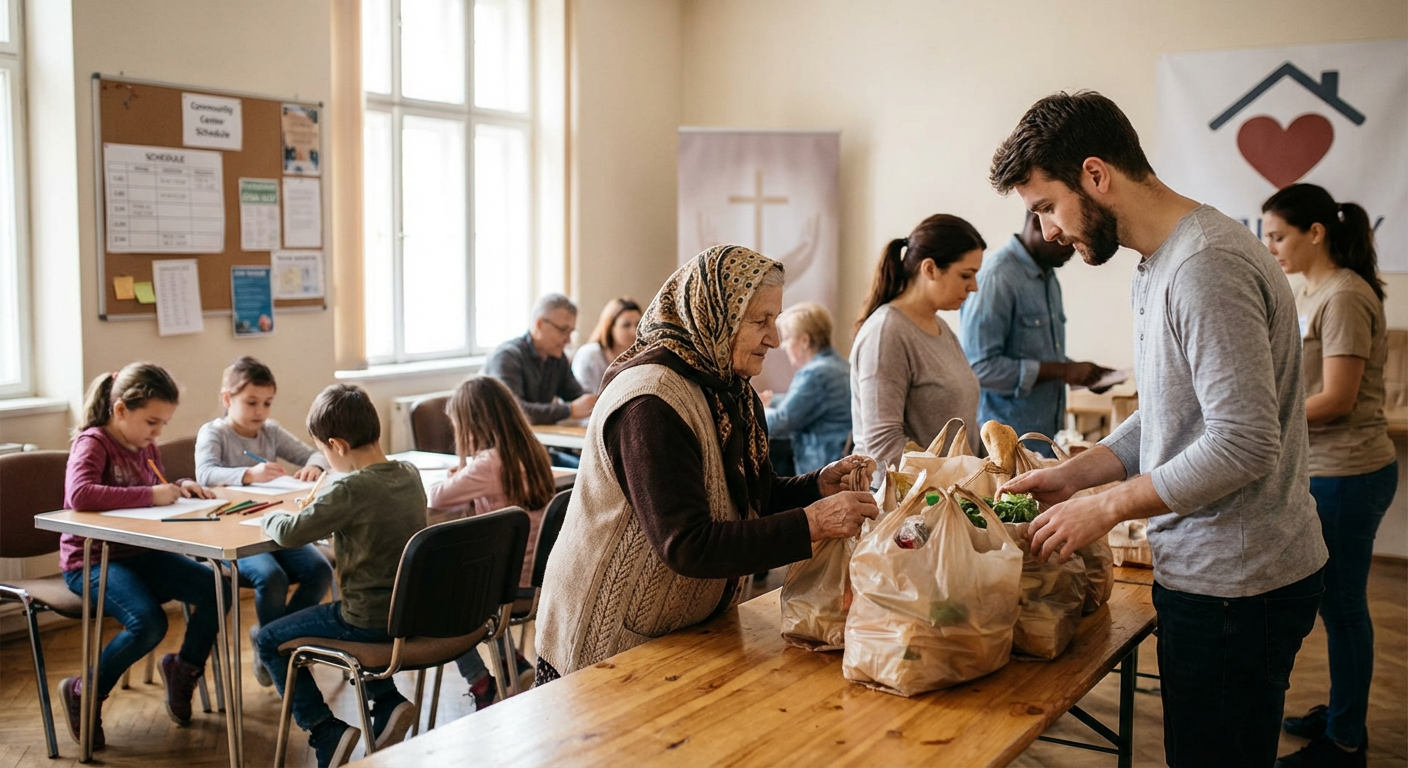
Perhaps nowhere is the irreplaceable value of faith communities more evident than in their role as social infrastructure. These institutions provide networks of mutual aid, childcare cooperation, elder care, and crisis response that government services and secular nonprofits often cannot match in scope or responsiveness. They offer what sociologists call “social capital” — the relationships and trust networks that make communities resilient and functional.
Interfaith coalitions have become particularly powerful forces for social change, leading initiatives on affordable housing, immigration reform, and anti-poverty work. These partnerships show how religious communities can collaborate across theological differences to address shared concerns. They create broader coalitions than purely secular advocacy groups often achieve, bringing together diverse constituencies united by common values of compassion and justice.
Faith communities also provide unique intergenerational spaces where children, parents, and elders interact regularly in purposeful ways. They offer rites of passage, grief support, celebration of life transitions, and ongoing spiritual formation that helps people navigate major life changes. The weekly rhythm of gathering, the seasonal cycles of religious calendar, and the shared practices of worship create stability and meaning that many find necessary for psychological well-being.
Finding Your Spiritual Home
For those seeking authentic spiritual community, today’s religious landscape offers more options than ever before. Start by clarifying your own values and spiritual needs rather than trying to fit into predetermined categories. Consider whether you seek primarily worship, study, service opportunities, social connection, or contemplative practice. Different communities excel in different areas.
Visit multiple communities before making commitments. Attend not just worship services but also social events, educational programs, and service projects to get a full sense of each community’s culture. Pay attention to how newcomers are welcomed, how conflicts are handled, and how the community engages with broader social issues. Notice whether the leadership reflects the diversity they claim to welcome and whether the theology preached aligns with the values lived.
Resources like Religion News Service can help you stay informed about trends and innovations in religious communities, while local interfaith councils often maintain directories of congregations and their characteristics. Remember that finding the right spiritual community may take time, and your needs may evolve as you grow and change.
Whether you are returning to faith after a period away, exploring spirituality for the first time, or seeking a more progressive expression of lifelong beliefs, today’s religious landscape offers real opportunities for authentic spiritual connection. The key is approaching your search with both openness and discernment. Meaningful community requires investment from its members while also nourishing the deepest human needs for purpose, connection, and transcendence.